

There’s a moment when you bite into a burger and realize the pickled onions are doing all the heavy lifting—sweet-tart snap cutting through rich beef, mustard seed warmth adding a layer you didn’t know you needed. That’s the moment I started making these at home instead of waiting for a deli to do it for me. Mustard seeds pickled onions aren’t just a topping; they’re a texture statement, a flavor pivot that transforms whatever they land on.
This recipe is my answer to that craving. A quick, hot brine infused with whole mustard seeds creates crisp, nutty onions that keep for weeks in the fridge. Whether you’re topping brats, loading a grain bowl, or stacking a sandwich, these onions deliver the kind of bold, savory snap that makes people ask what you did differently.
What Makes This Dish Special
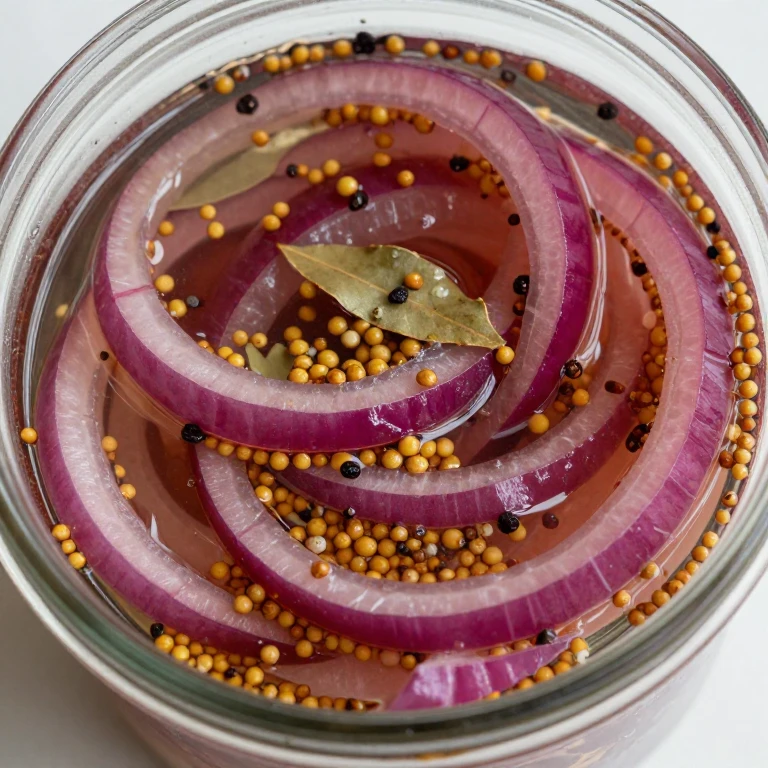
The signature move here is the mustard seed brine itself. I use whole seeds—yellow or brown, depending on mood—which steep in the hot vinegar and release their nutty, slightly bitter warmth without overpowering the onions. The seeds stay visible and textured, adding both flavor and visual interest to whatever you’re building.
The other distinction is speed and crispness. These onions are ready to eat in 24 hours, and they stay crunchy for weeks because the brine ratio and vinegar strength keep them firm. I’ve tested this against traditional quick-pickle methods, and the mustard seed brine holds the texture longer while building deeper, more complex flavor.
The final piece is versatility with intention. These aren’t a one-note condiment. The deli-style finish—dill and peppercorns optional—makes them work on everything from casual burgers to composed salads. You control the flavor direction without changing the method.
Flavor Profile Breakdown
The base is sharp and acidic: white vinegar carries the brine’s backbone, cutting through fat and building brightness. The mustard seeds add the mid-palate layer—warm, slightly earthy, with a subtle bitterness that reads as savory depth rather than harshness. As you chew, you hit the onion’s natural sweetness, which the brine softens just enough to make them approachable without losing their snap. The finish is clean and lingering, mustard warmth settling on your palate while the acidity fades. It’s salt, acid, and fat working in concert: the salt seasons the onion cells, the acid preserves and brightens, and any fat on your plate (burger, brat, olive oil dressing) anchors the whole thing.
Ingredient Highlights
The mustard seeds are non-negotiable. I prefer yellow seeds for a milder, slightly sweet warmth, but brown seeds bring more bite and earthiness. Either works; it’s about what flavor direction you want. You can’t substitute ground mustard powder—the whole seeds are the entire point, texture and taste.
The onions matter too. Red onions are my standard because they stay crisp and their natural sweetness plays well against the mustard warmth. White onions work if you want a sharper, more neutral base. Slice them thin—about ¼ inch—so they pickle evenly and stay tender without turning to mush.
The vinegar is white vinegar, 5% acidity, nothing fancy. Rice vinegar or apple cider vinegar will shift the flavor profile slightly (softer, fruitier), which is fine if that’s your preference, but white vinegar gives you that classic deli snap. The sugar balances the acid; don’t skip it or reduce it significantly, or the onions will taste thin and one-dimensional. Salt seasons the brine and the onions themselves, drawing out their liquid and creating the crisp-tender texture you’re after.
Whirl Hook
The twist: whole mustard seeds in a hot brine create nutty, savory depth that standard pickled onions can’t touch. The texture contrast: crisp onion snap against the warm, slightly bitter seed flavor. This is the move that makes these onions work on burgers, brats, grain bowls, and salads without tasting like an afterthought.
Flavor Spin
The core flavor pivot is mustard warmth meeting sharp vinegar and onion sweetness. I’m building a brine that’s bold enough to stand alone as a condiment, not just a supporting player. The mustard seeds are the high-impact twist—they steep in the hot vinegar, release their oils, and infuse the whole jar with a savory, slightly complex warmth that reads as intentional and modern. This isn’t about heat or spice; it’s about depth and texture.
Whirl Factor
Texture contrast is everything here. You get crisp, snappy onions meeting warm, slightly bitter mustard seed flavor. The brine is sharp and clean, but the seeds add a subtle earthiness that makes these onions feel more sophisticated than a basic quick pickle. The visual contrast matters too—the whole seeds visible in the jar, flecking the onions with color and texture, signal that you’ve made something intentional.
Cooking Walkthrough
Ingredients:
- 1 pound red onions (about 3-4 medium onions)
- 3 tablespoons yellow or brown mustard seeds
- 1 cup white vinegar (5% acidity)
- ¾ cup water
- 2 tablespoons sugar
- 1½ teaspoons kosher salt
- Optional: 1 teaspoon dill seeds, ½ teaspoon black peppercorns, 2-3 bay leaves
Steps:
1. Prep the onions. Slice red onions in half lengthwise, then slice each half into thin half-moons, about ¼ inch thick. Place them in a clean glass jar or container. The jar should be large enough to hold the onions loosely—about a quart capacity works well. Don’t pack them down; they need room for the brine to move through.
2. Toast the mustard seeds. In a small dry skillet over medium heat, warm the mustard seeds for about 1 minute, stirring occasionally. You’ll hear them start to pop slightly and smell their warm, nutty aroma. This toasting step releases their oils and intensifies their flavor. Don’t let them burn—just warm them until fragrant. Pour them into the jar with the onions.
3. Build the brine. In a small saucepan, combine vinegar, water, sugar, and salt. Bring the mixture to a boil over medium-high heat, stirring once or twice to dissolve the sugar and salt. You want the brine fully heated, not just warm. If you’re using optional additions like dill seeds, peppercorns, or bay leaves, add them to the jar now so they infuse as the brine cools.
4. Pour and cool. Carefully pour the hot brine over the onions and mustard seeds. The brine should cover the onions completely. If it doesn’t, make a quick splash more of equal parts vinegar and water. Let the jar cool to room temperature on the counter—this takes about 30 minutes. Don’t cover it yet; you want the steam to escape.
5. Chill and set. Once cooled, cover the jar and refrigerate. The onions are technically ready to eat after 12 hours, but 24 hours gives the mustard seed flavor time to fully develop and the onions to reach their ideal crisp-tender texture. They’ll keep for 3-4 weeks refrigerated, though the texture gradually softens after the first two weeks.
Chef Notes
- I always toast the mustard seeds before adding them to the brine. It’s a small move, but it deepens their flavor and makes the difference between a one-note pickle and something more intentional.
- In my kitchen, I use a quart-sized glass jar because it’s the right scale for this recipe and stores neatly on a shelf. Plastic containers work, but glass lets you see the color development and looks better on the counter.
- When I’m building the brine, I keep the ratio of vinegar to water at 4:3. It’s sharp enough to preserve and brighten, but not so aggressive that it overpowers the onion or seed flavor. If you prefer a softer, less acidic pickle, you can go 1:1 vinegar to water, but the onions won’t keep as long.
- I’ve found that slicing the onions thin and not packing them tightly in the jar makes a real difference in how evenly they pickle. Tight packing creates uneven texture—some onions stay crisp, others soften too much.
- The optional dill and peppercorns are my deli-style move. If you add them, go light—½ teaspoon dill seeds and ¼ teaspoon peppercorns per jar. Too much and they dominate the mustard warmth.
Whirl Finish
These onions are ready to serve straight from the jar. Use them on burgers, brats, grain bowls, salads, or anywhere you want a savory, crisp contrast. They keep refrigerated for 3-4 weeks, so make a jar and keep it on hand. The brine itself is worth saving—use it as a finishing acid for soups, grain bowls, or to brighten a vinaigrette.
Texture & Taste Expectations
You’re looking at onions that are crisp on the bite but tender enough to chew easily, with a slight translucence from the pickling brine. The color should be a muted purple-pink, not raw red. The aroma is sharp and vinegary at first, but the mustard warmth comes through underneath. The taste is a balance of sharp vinegar, mustard’s earthy warmth, and the onion’s natural sweetness. They should feel intentional and bold on your palate, not like an afterthought condiment. If they taste too sharp or one-dimensional, the brine likely needed more time to cool or the onions need another 12 hours to fully pickle.
Spin Options
Deli-Style Finish: Add 1 teaspoon dill seeds and ½ teaspoon black peppercorns to the jar before pouring the brine. This version leans into classic deli flavors and works beautifully on sandwiches and composed salads.
Spiced Warm Version: Add ½ teaspoon red pepper flakes and 2-3 whole cloves to the brine. This creates a slightly warming, more complex flavor that works on grain bowls and tacos. The heat is subtle, not aggressive.
Lighter Brine: If you prefer a softer, less acidic pickle, use equal parts vinegar and water (½ cup each) and reduce the salt to 1 teaspoon. The onions will be ready faster (12 hours instead of 24) but won’t keep quite as long. The mustard seed flavor will still shine through, just softer.
Customization Ideas
- Onion swap: White onions work if you want a sharper, more neutral base. Yellow onions are sweeter and work well if you prefer a softer flavor profile. Red onions are my standard because they stay crisp and their natural sweetness balances the mustard warmth.
- Vinegar variation: Rice vinegar creates a softer, slightly fruity pickle. Apple cider vinegar brings a subtle sweetness. Both work, but they shift the flavor profile. White vinegar is the classic choice for this style.
- Mustard seed swap: Brown mustard seeds are earthier and more assertive than yellow. If you only have one type, use what you have—the method stays the same, just the flavor intensity shifts slightly.
- Sugar reduction: If you prefer less sweetness, reduce the sugar to 1 tablespoon. The onions will taste sharper and more vinegary. Don’t eliminate sugar entirely or the brine will taste thin and one-dimensional.
- Spice additions: Dill seeds, peppercorns, coriander seeds, or red pepper flakes all work. Add them to the jar before pouring the brine. Go light—½ to ¾ teaspoon—so they complement the mustard warmth rather than compete with it.
Pairing Ideas
On a burger, these onions cut through beef fat and add a savory, crisp layer that standard toppings can’t match. Pair them with sharp cheddar and a good mustard for a composed, intentional bite. On a brat or sausage, the mustard warmth echoes the sausage spice while the vinegar brightness cuts the richness. For grain bowls, scatter them over roasted vegetables and grains as a finishing acid—they add both flavor and texture contrast. On a composed salad with roasted beets and goat cheese, they bring a deli-inspired sophistication that feels elevated without being fussy. One unexpected pairing: use the pickled onions and their brine to top smoked fish or cured salmon on crackers. The mustard warmth and vinegar brightness complement the richness of the fish in a way that feels modern and intentional.
FAQ
How long do mustard seed pickled onions keep?
Refrigerated in an airtight jar, they’ll keep for 3-4 weeks. The texture gradually softens after the first two weeks, but the flavor deepens. The brine itself stays good longer—you can reuse it once for a fresh batch of onions, though the flavor will be slightly less intense the second time around.
Can I use ground mustard instead of whole seeds?
No. Ground mustard powder will create a cloudy brine and won’t give you the texture contrast that makes these onions special. The whole seeds are the entire point—they steep in the brine, release their oils, and stay visible and textured in the jar. Whole seeds are non-negotiable here.
Do I need to sterilize the jar?
For short-term refrigerator storage (3-4 weeks), a clean jar is fine. Wash it with hot soapy water and dry it thoroughly. If you’re planning to store these at room temperature or keep them longer, then yes, sterilize the jar by running it through a hot dishwasher or boiling it for 10 minutes. For this recipe, I recommend refrigerator storage, so a clean jar is sufficient.
Why do my pickled onions taste too sharp or vinegary?
This usually means the brine didn’t cool completely before you tasted them, or they haven’t had enough time to pickle. Sharp vinegar flavor mellows as the onions sit. Give them a full 24 hours in the fridge before judging. If they’re still too sharp after that, the brine ratio might have been off—too much vinegar or not enough sugar. Next time, follow the ratio exactly: 1 cup vinegar to ¾ cup water and 2 tablespoons sugar.
Can I make these without sugar?
You can reduce it, but don’t eliminate it entirely. Sugar balances the acid and brings out the onion’s natural sweetness. Without it, the brine tastes thin and one-dimensional. If you prefer less sweetness, reduce the sugar to 1 tablespoon, but keep some in the recipe.
What’s the best way to use the leftover brine?
Don’t toss it. Use it as a finishing acid for grain bowls, soups, or to brighten a vinaigrette. You can also make a second batch of pickled onions with the same brine—just refresh it with a small amount of new vinegar and a pinch of salt. The flavor will be slightly less intense, but it still works beautifully.
Can I make these in a food-safe plastic container?
Yes. Plastic works fine for short-term refrigerator storage. Glass looks better and lets you see the color development, but plastic containers work if that’s what you have. Just make sure the container is food-safe and has a tight-fitting lid.
Mustard Seeds Pickled Onions, Deli-Style Crunch
Ingredients
Method
- Slice red onions in half lengthwise, then slice each half into thin half-moons, about ¼ inch thick. Place them in a clean glass jar or container. The jar should be large enough to hold the onions loosely—about a quart capacity works well. Don't pack them down; they need room for the brine to move through.
- In a small dry skillet over medium heat, warm the mustard seeds for about 1 minute, stirring occasionally. You'll hear them start to pop slightly and smell their warm, nutty aroma. This toasting step releases their oils and intensifies their flavor. Don't let them burn—just warm them until fragrant. Pour them into the jar with the onions.
- In a small saucepan, combine vinegar, water, sugar, and salt. Bring the mixture to a boil over medium-high heat, stirring once or twice to dissolve the sugar and salt. You want the brine fully heated, not just warm. If you're using optional additions like dill seeds, peppercorns, or bay leaves, add them to the jar now so they infuse as the brine cools.
- Carefully pour the hot brine over the onions and mustard seeds. The brine should cover the onions completely. If it doesn't, make a quick splash more of equal parts vinegar and water. Let the jar cool to room temperature on the counter—this takes about 30 minutes. Don't cover it yet; you want the steam to escape.
- Once cooled, cover the jar and refrigerate. The onions are technically ready to eat after 12 hours, but 24 hours gives the mustard seed flavor time to fully develop and the onions to reach their ideal crisp-tender texture. They'll keep for 3-4 weeks refrigerated, though the texture gradually softens after the first two weeks.