
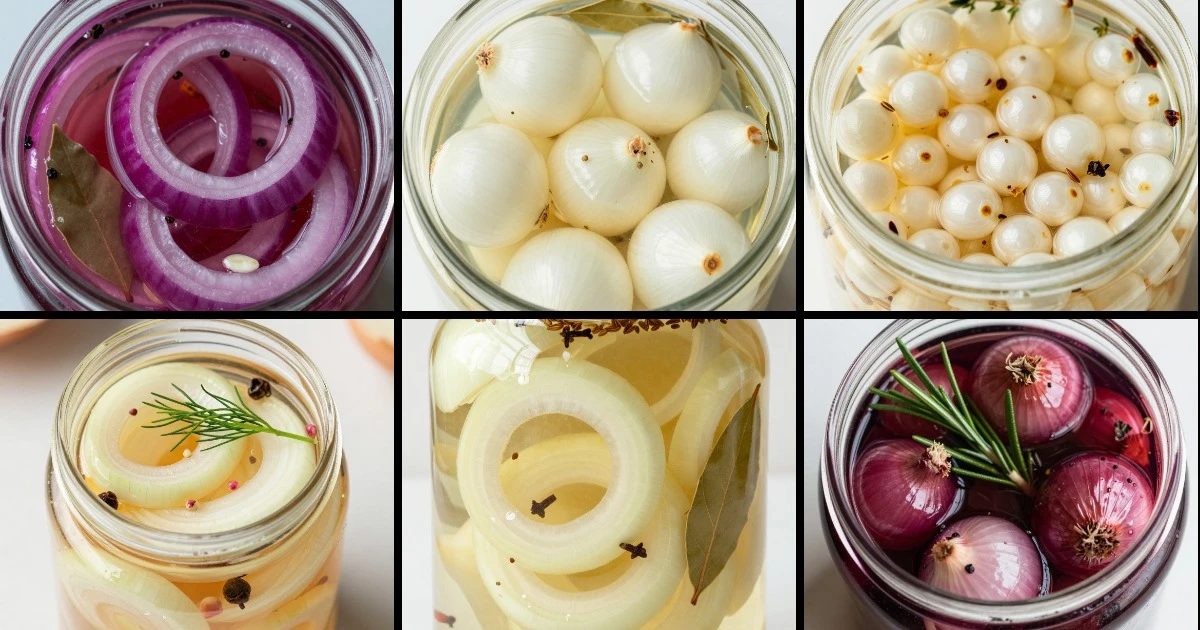

Pickling onions might seem straightforward, but I’ve learned that choosing the right variety transforms your entire project. The onion you select determines how quickly it pickles, what texture you’ll get, whether it stays crisp or turns silky, and how the brine flavors develop. I’ve spent enough time with jars of disappointing pickled onions to know that starting with the ideal variety makes all the difference between a mediocre batch and something you’ll actually reach for again and again.
I’ve organized these twelve varieties into four clear groups based on flavor profile, texture outcome, and best use case. Whether you’re building a bold vinegar-forward pickle, creating a sweet and tangy condiment, going for whole pearl onions, or experimenting with shallots and specialty types, you’ll find exactly what you need here.
Bold and Vibrant: Red Onions for Pickling
Red onions deliver the most dramatic color and assertive bite. They hold their structure beautifully through the pickling process and develop a complex, slightly sweet-sharp flavor that plays well with spiced or vinegar-forward brines. I reach for these when I want pickled onions that make a visual statement on the plate.
1. Red Burgundy Onions
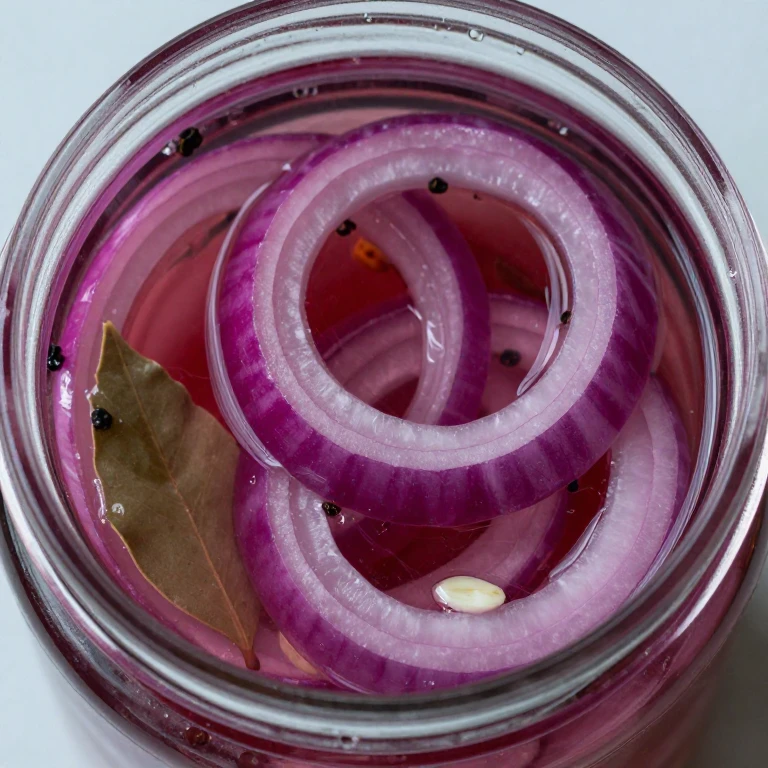
These deep-purple, medium-sized bulbs are my go-to for classic pickled onion projects. The flesh stays firm after pickling and the color bleeds into the brine, creating that gorgeous pink-to-magenta jar. I love slicing them thin and letting them sit in a basic vinegar brine for at least 24 hours.
Ingredients
- 2 lbs red burgundy onions, peeled and sliced into rings
- 1 cup red wine vinegar
- 1 cup water
- 2 tbsp sugar
- 1 tbsp salt
- 3 cloves garlic, sliced
- 1 tsp black peppercorns
- 2 bay leaves
- 1 tsp mustard seeds
Instructions
- Bring vinegar, water, sugar, and salt to a boil in a medium saucepan.
- Add garlic, peppercorns, bay leaves, and mustard seeds to the brine and simmer for 2 minutes.
- Place sliced onions in a clean glass jar and pour the hot brine over them, ensuring onions are fully submerged.
- Let cool to room temperature, then refrigerate for at least 24 hours before serving.
- These keep for up to 3 weeks refrigerated.
My tip: Don’t skip the cooling step—shocking hot onions into cold storage can make them mushy. Let the brine cool naturally to preserve that crisp bite.
Storage: Red burgundy pickled onions keep for 3 weeks refrigerated in an airtight container. The flavor actually deepens after day three.
2. Red Candy Onions
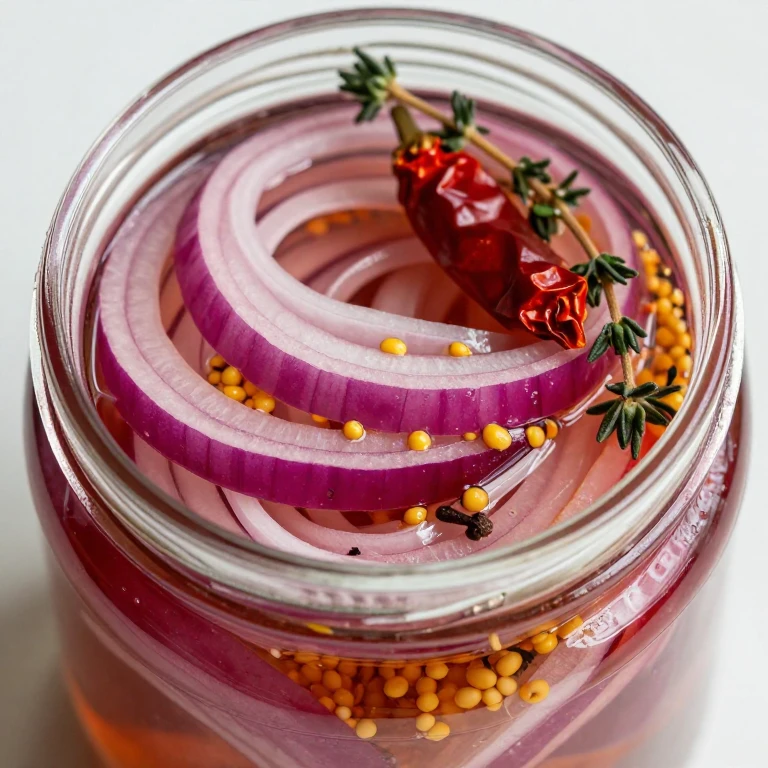
These are slightly sweeter than burgundy varieties, with thinner, more delicate layers. When pickled, they develop a gentle tang that doesn’t overpower other flavors. I use these when I want pickled onions that complement rather than dominate a dish.
Ingredients
- 2 lbs red candy onions, peeled and sliced
- 1 cup apple cider vinegar
- 3/4 cup water
- 1.5 tbsp honey
- 1 tbsp salt
- 2 tsp yellow mustard seeds
- 3 whole cloves
- 1 small dried red chili
- 2 sprigs fresh thyme
Instructions
- Combine apple cider vinegar, water, honey, and salt in a saucepan and bring to a boil.
- Add mustard seeds, cloves, chili, and thyme, then simmer for 1 minute.
- Layer sliced onions in a jar and pour the brine over them while still hot.
- Cool completely, then refrigerate for 18 hours minimum.
- Taste and adjust sweetness or acidity if needed before serving.
My tip: The honey in this brine creates a subtle sweetness that rounds out the apple cider vinegar’s sharpness. Don’t use regular sugar here—honey adds body.
Storage: Keep refrigerated for up to 4 weeks. These are excellent for meal prep since the flavor profile stays balanced throughout storage.
3. Red Italian Torpedo Onions
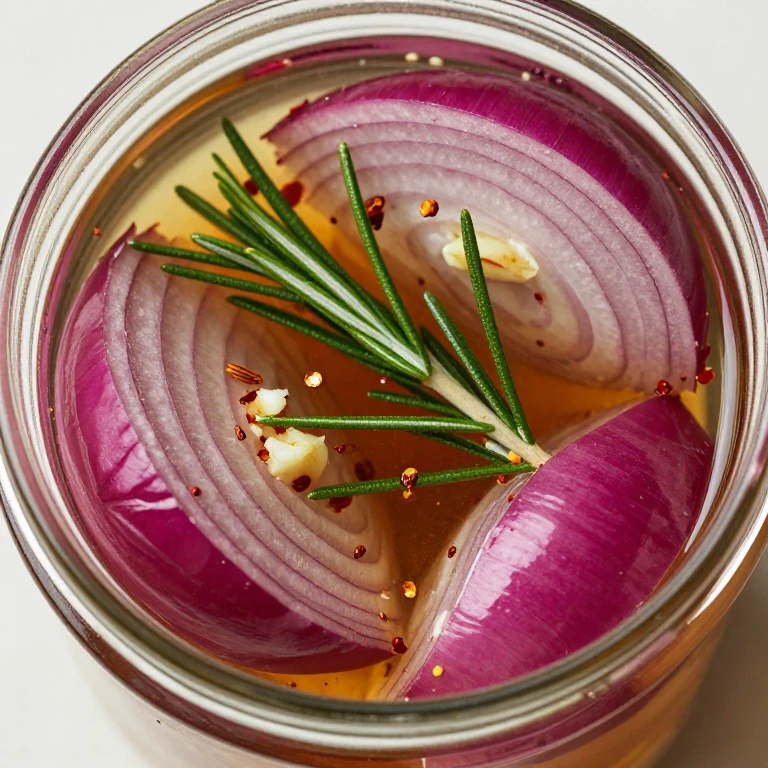
These elongated, slightly flattened red onions have a more refined flavor than their rounder cousins and a tender bite. I pickle these whole or halved when I want something that feels more elegant on a charcuterie board or cocktail plate.
Ingredients
- 1.5 lbs red Italian torpedo onions, halved lengthwise
- 1 cup white wine vinegar
- 3/4 cup water
- 1 tbsp sugar
- 1.5 tsp salt
- 4 garlic cloves, minced
- 1 tsp coriander seeds
- 3 fresh rosemary sprigs
- 1/2 tsp red pepper flakes
Instructions
- Heat white wine vinegar, water, sugar, and salt until steaming (not boiling).
- Toast coriander seeds in a dry skillet for 30 seconds, then add to the brine with garlic, rosemary, and pepper flakes.
- Arrange torpedo onion halves in a jar and pour warm brine over them.
- Let cool to room temperature, then refrigerate for at least 36 hours.
- Serve chilled or at room temperature.
My tip: Toasting the coriander seeds first releases their oils and deepens the flavor profile. This step takes 30 seconds but elevates the entire batch.
Storage: Refrigerate for up to 3 weeks. These are perfect for meal prep—make a batch on Sunday and use throughout the week on sandwiches, salads, and boards.
Mild and Clean: White and Yellow Onions for Pickling
White and yellow onions offer a gentler, less aggressive flavor that lets other brine components shine. They pickle quickly and develop a translucent, tender texture that works beautifully in delicate applications. I choose these when I want the pickled onion to enhance rather than command attention.
4. White Boiling Onions
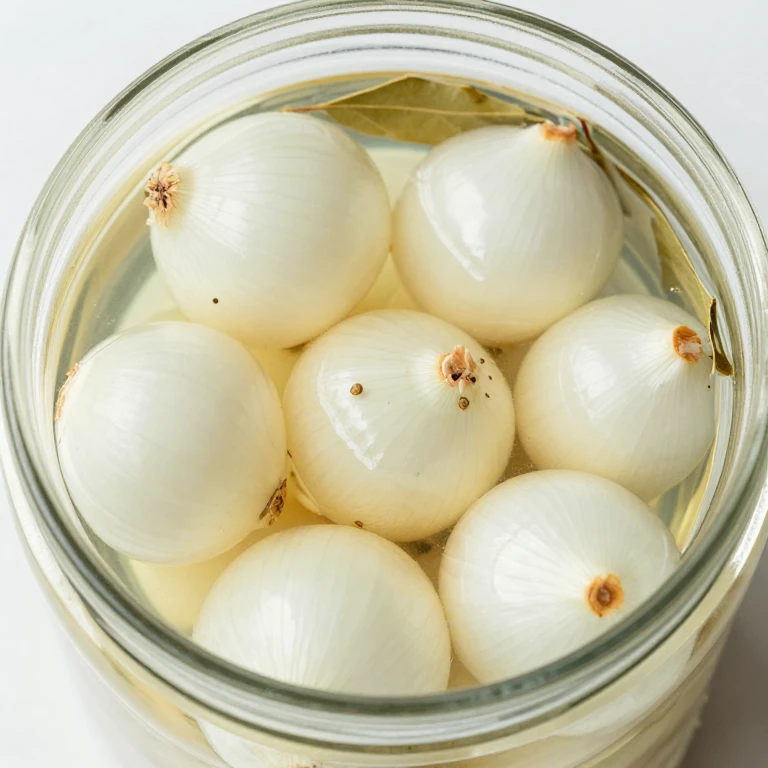
These small, papery-skinned white onions are classic pickling workhorses. I peel and pickle them whole, and they transform into tender, slightly sweet morsels that are perfect for charcuterie, cocktails, or as a condiment on grain bowls. The texture is silky after just 24 hours.
Ingredients
- 2 lbs small white boiling onions, peeled
- 1.25 cups white vinegar
- 3/4 cup water
- 2 tbsp sugar
- 1 tbsp salt
- 4 bay leaves
- 1 tbsp pickling spice
- 3 cloves garlic, crushed
- 1 tsp dill seeds
Instructions
- Bring vinegar, water, sugar, and salt to a boil in a medium pot.
- Add bay leaves, pickling spice, garlic, and dill seeds, then simmer for 2 minutes.
- Pack whole white onions into clean jars and pour hot brine over them, leaving 1/2 inch headspace.
- Cool to room temperature, then refrigerate for 24 hours before serving.
- These keep refrigerated for up to 4 weeks.
My tip: To peel white boiling onions quickly, blanch them in boiling water for 2 minutes first—the skins slip off effortlessly.
Storage: These are ideal for make-ahead entertaining. Prepare them 3-4 days before a party and they’ll be perfectly flavored and ready to serve.
5. Yellow Spanish Onions
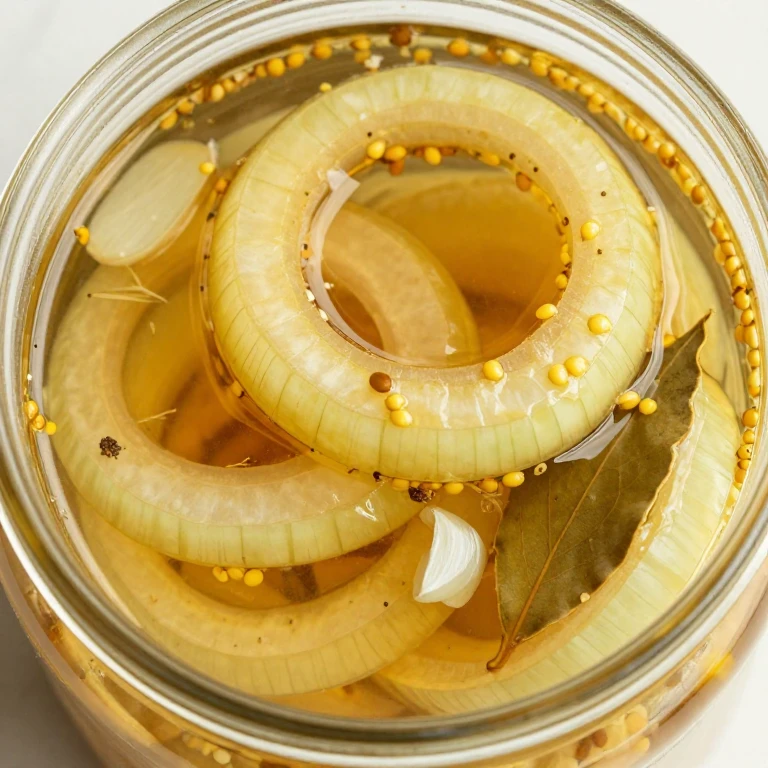
These larger, golden-skinned onions have a mellow sweetness and meaty texture. When sliced and pickled, they develop a tender bite and absorb brine flavors beautifully. I use these when I want substantial pickled onion pieces that hold their shape through multiple uses.
Ingredients
- 2.5 lbs yellow Spanish onions, peeled and sliced into thick rings
- 1 cup distilled vinegar
- 3/4 cup water
- 1.5 tbsp honey
- 1 tbsp salt
- 2 tsp yellow mustard seeds
- 1 tsp fennel seeds
- 3 garlic cloves, sliced
- 2 dried bay leaves
Instructions
- Combine vinegar, water, honey, and salt in a saucepan and bring to a boil.
- Add mustard seeds, fennel seeds, garlic, and bay leaves, simmering for 1 minute.
- Layer sliced onions in jars and pour hot brine over them.
- Cool completely before refrigerating.
- Wait at least 24 hours before serving for flavors to meld.
My tip: Yellow Spanish onions are thicker and meatier than red varieties—give them an extra 12 hours to fully soften and absorb the brine.
Storage: Keep refrigerated for up to 5 weeks. The longer they sit, the more tender and well-integrated the flavors become.
6. White Pearl Onions
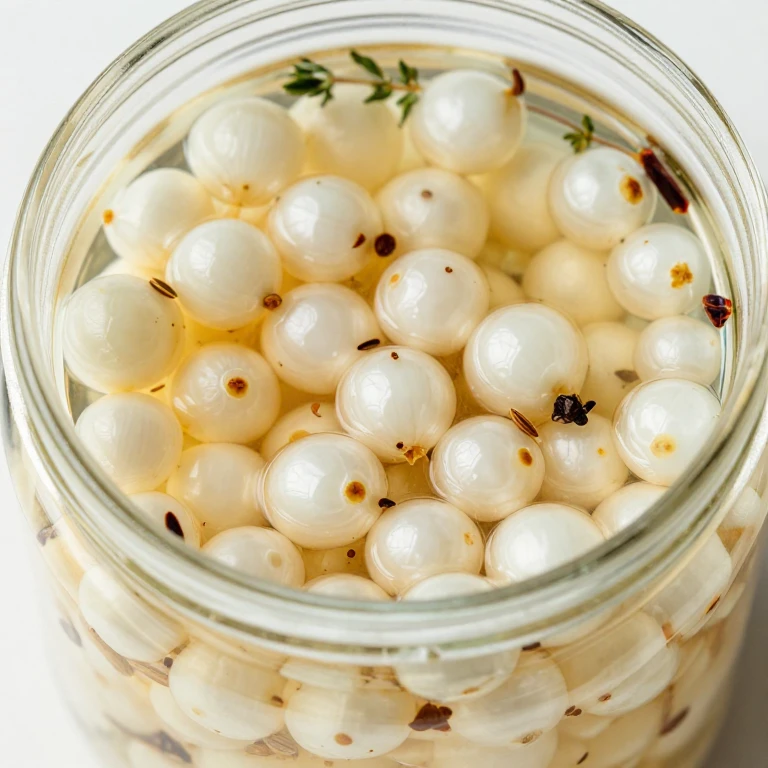
These tiny, creamy-white onions are the pickler’s dream for whole-onion projects. I pickle them intact for elegant appetizers, and they develop a silky texture while staying firm enough to eat whole. The small size means they pickle through in just 18-20 hours.
Ingredients
- 2 lbs white pearl onions, peeled
- 1 cup white wine vinegar
- 3/4 cup water
- 1 tbsp sugar
- 1.5 tsp salt
- 1 tsp coriander seeds
- 4 whole cloves
- 2 fresh thyme sprigs
- 1 small dried chili
Instructions
- Heat vinegar, water, sugar, and salt until steaming.
- Toast coriander seeds and cloves in a dry pan for 20 seconds, then add to brine with thyme and chili.
- Pack pearl onions into a clean jar and pour warm brine over them.
- Cool to room temperature, then refrigerate.
- These are ready to serve after 18 hours.
My tip: Pearl onions have papery skins that can be stubborn to remove. Blanch them in boiling water for 90 seconds first, then ice bath them—peeling becomes almost effortless.
Storage: Refrigerate for up to 3 weeks. These are stunning on a charcuterie board and hold their texture beautifully throughout storage.
Sweet and Gentle: Vidalia and Sweet Onions for Pickling
Sweet onions like Vidalia, Walla Walla, and Texas varieties have naturally higher sugar content and milder sulfur compounds. When pickled, they develop a subtle sweetness and tender texture that’s completely different from standard pickling onions. I reach for these when I want a more delicate, refined pickle that works as a condiment on everything from tacos to dessert-adjacent cheese boards.
7. Vidalia Onions
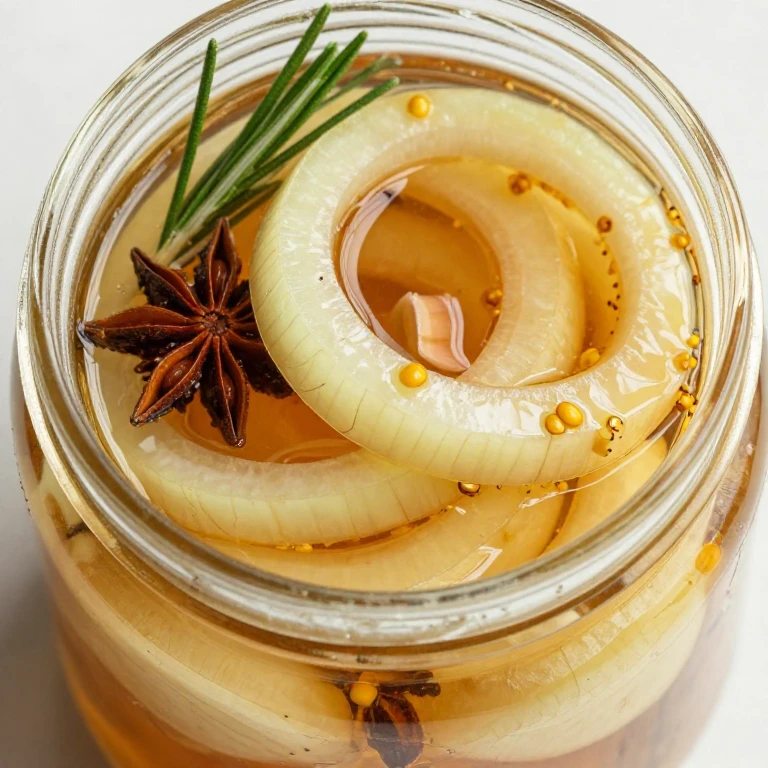
These Georgia-grown sweet onions are my secret weapon for elegant pickled onion projects. Their natural sweetness means I can use less added sugar in the brine, and the result is a pickle that tastes more complex and less one-note. I slice them thick and let them pickle for 36 hours to develop that perfect tender-crisp texture.
Ingredients
- 2 lbs Vidalia onions, peeled and sliced into thick rings
- 1 cup apple cider vinegar
- 1/2 cup water
- 1 tbsp maple syrup
- 1 tsp salt
- 1 tsp yellow mustard seeds
- 2 whole star anise
- 3 garlic cloves, sliced
- 1 small fresh rosemary sprig
Instructions
- Combine apple cider vinegar, water, maple syrup, and salt in a saucepan and bring to a boil.
- Add mustard seeds, star anise, garlic, and rosemary, then simmer for 1 minute.
- Layer sliced Vidalia onions in a jar and pour hot brine over them.
- Cool completely before refrigerating.
- Wait 36 hours before serving to allow flavors to fully develop.
My tip: Vidalia onions are delicate and can turn mushy if over-pickled. The 36-hour window is perfect—any longer and they lose their structural integrity.
Storage: Keep refrigerated for up to 3 weeks. Use these on grain bowls, tacos, or cheese boards where their subtle sweetness can shine.
8. Walla Walla Onions
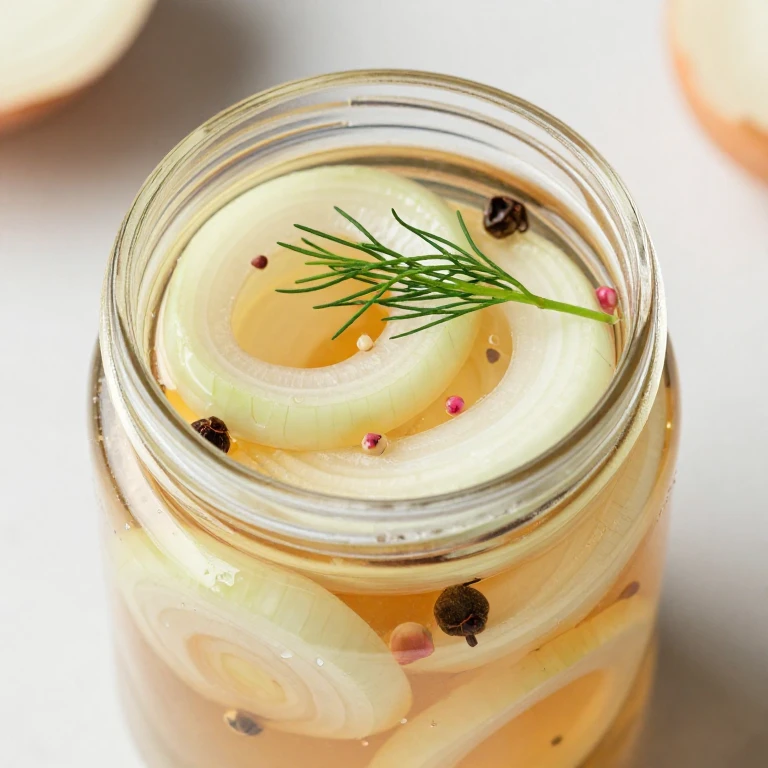
These Washington-grown sweet onions have a crisp texture and almost fruity undertone. When pickled with a light brine, they become incredibly versatile—sweet enough for dessert-adjacent applications but tangy enough for savory dishes. I love these on roasted vegetable platters and alongside cured meats.
Ingredients
- 2.5 lbs Walla Walla onions, peeled and sliced
- 1 cup champagne vinegar
- 1/2 cup water
- 2 tsp honey
- 1 tsp salt
- 1 tsp pink peppercorns
- 2 whole allspice berries
- 2 garlic cloves, sliced
- 1 fresh tarragon sprig
Instructions
- Heat champagne vinegar, water, honey, and salt until just steaming (don’t boil).
- Add pink peppercorns, allspice, garlic, and tarragon to the brine.
- Arrange sliced Walla Walla onions in a jar and pour warm brine over them.
- Cool to room temperature, then refrigerate for 24 hours.
- These are ready to serve but improve with an additional 12 hours of rest.
My tip: Champagne vinegar is milder and more delicate than standard vinegars—it’s the perfect match for these sweet onions because it doesn’t overpower their natural flavor.
Storage: Refrigerate for up to 4 weeks. These work beautifully as a condiment on charcuterie boards, alongside roasted vegetables, or on top of grain bowls.
9. Texas 1015 Onions
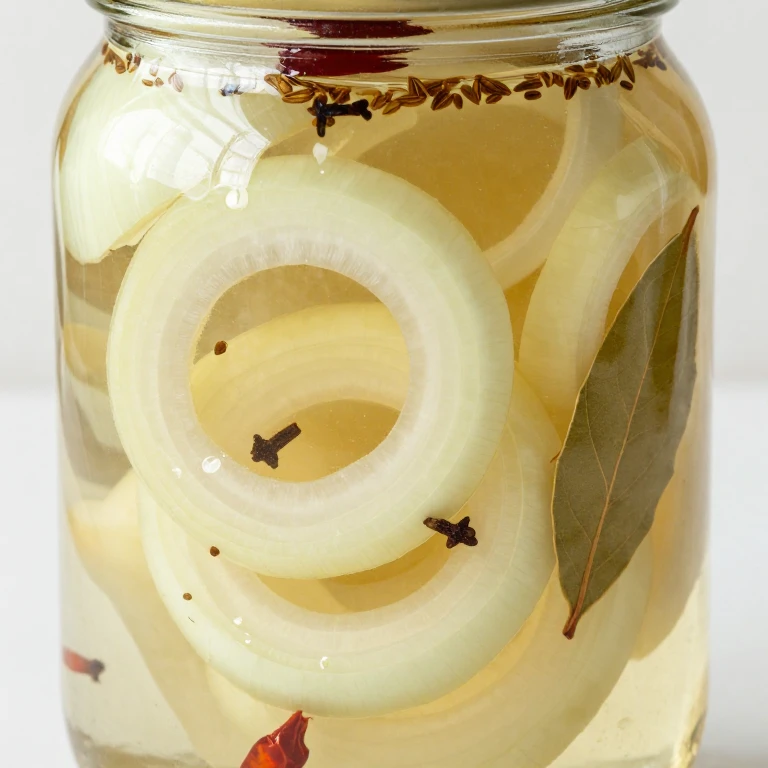
These jumbo sweet onions are mild enough to eat raw but develop wonderful complexity when pickled. I slice them thick and pickle them in a balanced brine that lets their natural sweetness come through. These are perfect when I want a pickled onion that feels more like a condiment than a sharp accent.
Ingredients
- 2.5 lbs Texas 1015 onions, peeled and sliced into thick rings
- 1 cup white vinegar
- 1/2 cup water
- 1 tbsp honey
- 1.5 tsp salt
- 1 tsp coriander seeds
- 3 whole cloves
- 2 bay leaves
- 1 small dried red chili, seeds removed
Instructions
- Bring vinegar, water, honey, and salt to a boil.
- Toast coriander seeds and cloves in a dry pan for 20 seconds, then add to brine with bay leaves and chili.
- Pack sliced Texas 1015 onions into a jar and pour hot brine over them.
- Cool completely before refrigerating.
- These develop best flavor after 48 hours of refrigeration.
My tip: These onions are naturally thick-walled, so slice them slightly thinner than you would red onions to ensure even pickling and tenderness.
Storage: Keep refrigerated for up to 5 weeks. These are excellent for meal prep and actually taste better after the first week as flavors meld.
Specialty and Small: Pearl, Cipollini, Shallots, and Spring Onions
Small specialty onions like cipollini, pearl varieties, shallots, and spring onions offer unique textures and flavor profiles. I use these when I want pickled onions that feel more refined or when I’m building a specific flavor story. Cipollini onions are almost nutty when pickled, shallots develop complex depth, and spring onions offer a delicate onion bite with tender texture.
10. Cipollini Onions
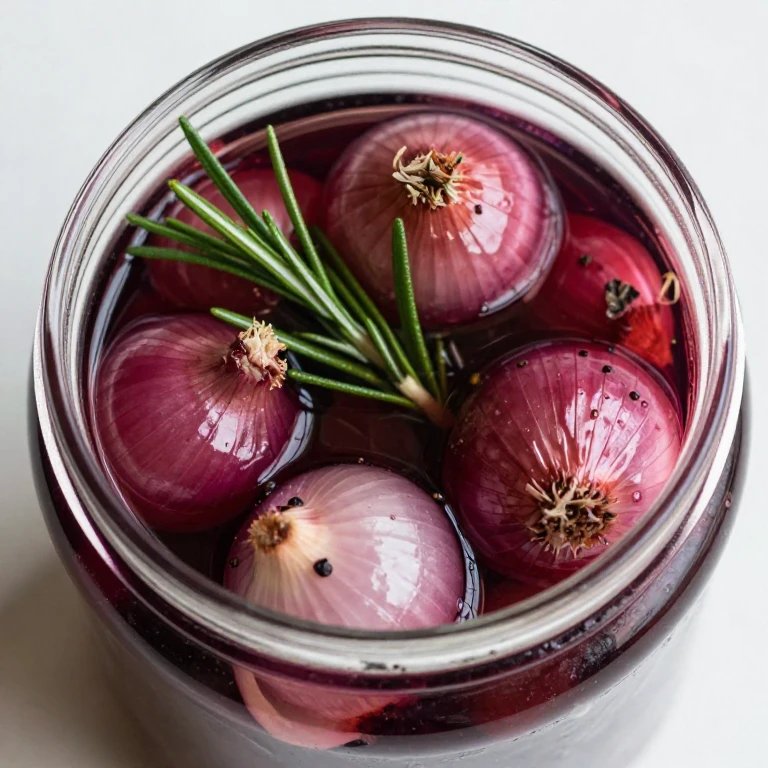
These Italian flat onions are slightly sweet with an almost nutty undertone that deepens beautifully through pickling. I pickle them whole for an elegant presentation, and they develop a silky texture while maintaining their shape. These feel restaurant-quality on a board or alongside cured meats.
Ingredients
- 2 lbs cipollini onions, peeled
- 1 cup red wine vinegar
- 3/4 cup water
- 1 tbsp balsamic vinegar
- 1 tbsp honey
- 1 tsp salt
- 1 tsp black peppercorns
- 3 garlic cloves, smashed
- 2 fresh rosemary sprigs
Instructions
- Combine red wine vinegar, water, balsamic vinegar, honey, and salt in a saucepan and bring to a boil.
- Add peppercorns, garlic, and rosemary, then simmer for 1 minute.
- Pack whole cipollini onions into a clean jar and pour hot brine over them.
- Cool completely before refrigerating.
- These are best after 48 hours of refrigeration when flavors have fully melded.
My tip: The balsamic vinegar adds depth and subtle sweetness—don’t skip it, as it’s what makes these feel special enough for entertaining.
Storage: Refrigerate for up to 4 weeks. These are stunning on a charcuterie board and hold their elegant appearance throughout storage.
11. Shallots for Pickling
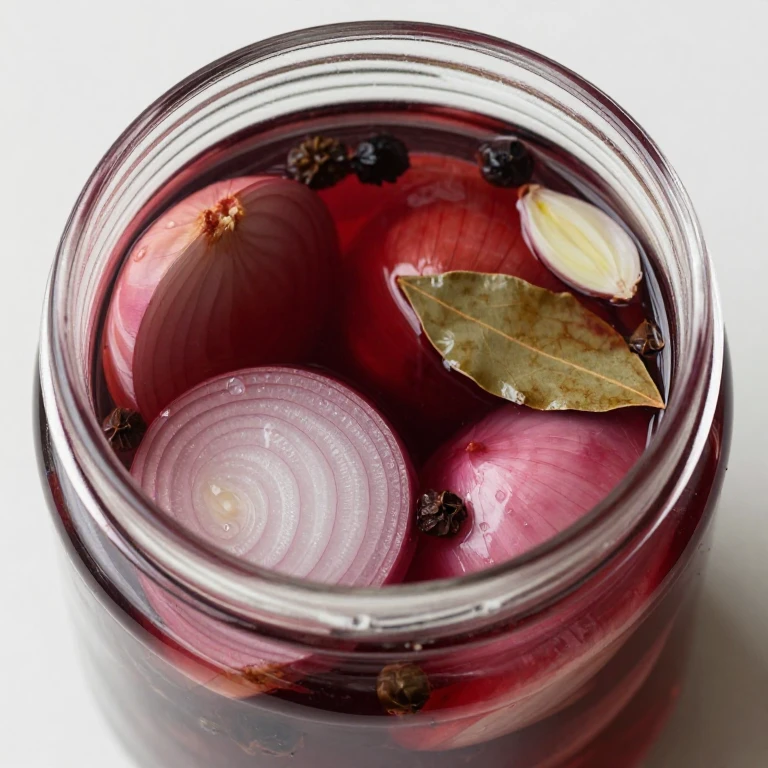
Shallots have a refined, almost wine-like flavor that becomes more complex through pickling. I peel and halve them, then pickle them in a brine with complementary spices. The result is a sophisticated pickled onion that elevates any cheese board or cocktail spread. These are less common than standard pickling onions, which means they feel more special.
Ingredients
- 2 lbs shallots, peeled and halved lengthwise
- 1 cup red wine vinegar
- 3/4 cup water
- 2 tsp honey
- 1 tsp salt
- 1 tsp juniper berries
- 3 whole allspice berries
- 2 bay leaves
- 3 garlic cloves, sliced
Instructions
- Heat red wine vinegar, water, honey, and salt until steaming.
- Add juniper berries, allspice, bay leaves, and garlic to the brine.
- Arrange shallot halves in a jar with cut-side down and pour hot brine over them.
- Cool to room temperature, then refrigerate for 24 hours.
- These improve significantly after 48 hours as the flavors deepen.
My tip: Shallots are smaller and more delicate than standard pickling onions—they pickle faster, so check them at 18 hours to ensure they don’t become mushy.
Storage: Keep refrigerated for up to 3 weeks. These are perfect for entertaining and add a sophisticated touch to any charcuterie board or grain bowl.
12. Spring Onions (Green Onions) for Pickling
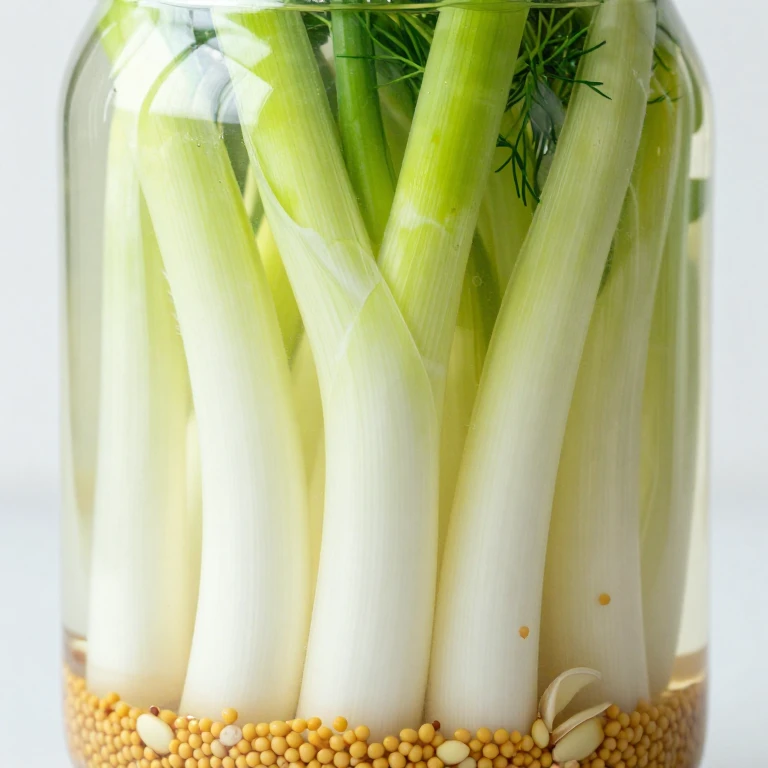
Most people don’t think about pickling spring onions, but I’ve found they develop a delicate, tender bite that’s completely different from pickled bulb onions. I use the white and light green parts, pickling them whole for a quick, elegant condiment. These are ready in just 12 hours and add a fresh, onion-forward flavor to tacos, sandwiches, and grain bowls.
Ingredients
- 1.5 lbs spring onions (white and light green parts), trimmed to 3-inch lengths
- 1 cup white vinegar
- 1/2 cup water
- 1 tbsp sugar
- 1 tsp salt
- 1/2 tsp yellow mustard seeds
- 2 whole cloves
- 2 garlic cloves, sliced
- 1 small fresh dill sprig
Instructions
- Bring vinegar, water, sugar, and salt to a boil.
- Add mustard seeds, cloves, garlic, and dill, then simmer for 30 seconds.
- Pack spring onion pieces upright in a jar and pour hot brine over them.
- Cool to room temperature, then refrigerate.
- These are ready to serve after just 12 hours—they don’t need long pickling like bulb onions.
My tip: Spring onions are tender and quick-pickling, so don’t leave them longer than 2 weeks or they’ll become too soft. These are best eaten fresh, within the first week.
Storage: Keep refrigerated for up to 2 weeks maximum. Use these quickly on tacos, sandwiches, or grain bowls while they’re still crisp.
When to Choose Each Style
- Bold color and assertive flavor for charcuterie and cocktails? Red Burgundy, Red Candy, or Red Italian Torpedo onions deliver the visual impact and flavor punch you need.
- Whole onions for elegant entertaining? White Pearl, Cipollini, or Shallots are your answer—they look restaurant-quality and pickle evenly.
- Substantial, meaty texture for grain bowls and sandwiches? Yellow Spanish or Texas 1015 onions hold their structure through multiple uses and absorb brine flavors beautifully.
- Quick pickling with delicate texture? Spring onions or White Boiling Onions are ready in 12-24 hours and develop tender bites.
- Subtle sweetness that complements, not dominates? Vidalia, Walla Walla, or White Pearl onions bring refinement without sharp vinegar bite.
- Sophisticated flavor for special occasions? Cipollini or Shallots add complexity and feel more refined than standard varieties.
FAQ
Which onion variety pickles fastest?
Spring onions and White Pearl onions are the quickest, ready in 12-18 hours. Larger varieties like Yellow Spanish and Texas 1015 onions need 36-48 hours to fully soften and absorb brine flavors. The smaller and thinner the onion, the faster it pickles. I’ve found that size matters more than variety—a thin-sliced Red Burgundy will pickle faster than a whole White Pearl.
Can I use any onion for pickling, or do specific varieties work better?
Any onion can technically be pickled, but some varieties are far superior. I always choose onions with thinner layers, higher sugar content, or smaller size because they pickle more evenly and develop better texture. Standard storage onions like russet-type varieties tend to become mushy or develop off-flavors. Stick with the varieties I’ve outlined here—they’re specifically suited to pickling and will give you consistently excellent results.
What’s the difference between red onions and red burgundy onions for pickling?
Red Burgundy onions are a specific heirloom variety with deeper color and more complex flavor than standard red onions. They have thinner layers and a slightly higher sugar content, which means they pickle more evenly and develop better texture. If you can find them, they’re worth seeking out. Standard red onions work fine, but Burgundy varieties are noticeably superior for pickling projects.
Should I blanch onions before pickling?
I don’t blanch sliced onions—they pickle beautifully raw and develop the best texture that way. However, for whole onions like White Pearl or Cipollini, I do blanch them briefly (90 seconds to 2 minutes) just to make peeling easier. This doesn’t affect the final pickle quality; it’s purely a prep convenience step.