

There’s a moment when you pull a perfectly baked cake from the oven and the kitchen fills with that vanilla warmth. You know the one—it’s the smell that makes you pause, that makes you want to immediately start layering fruit and cream. That’s where I’m starting with this strawberry shortcake cake. It’s the kind of dessert that looks like it belongs in a bakery window, but it’s entirely within reach in your own kitchen.
I’ve built this recipe around one core idea: tender, delicate cake layers that actually hold up to macerated berries and whipped cream without turning soggy. The twist here is the balance—a light vanilla sponge that’s sturdy enough to slice clean but soft enough that each bite feels like it melts. Add in the texture contrast of fresh strawberries, stabilized whipped cream, and optional coulis for berry punch, and you’ve got a showstopper that tastes as good as it looks.
What Makes This Dish Special
I’ve found that most strawberry shortcake recipes fall into two camps: either the cake is dense and heavy, or it’s so delicate it falls apart on the plate. This recipe splits the difference. The vanilla layers are tender but structured, built with a technique that creates a fine crumb without the heaviness of butter cake. That matters because the moment the berries and cream hit the layers, you need enough integrity to support them.
The second distinction is timing. I macerate the strawberries ahead, which means the berries release their juice slowly and flavor the cake as it sits. But I don’t assemble until close to serving, which keeps the layers from absorbing too much liquid. The result is a cake that’s moist but not waterlogged—you get the strawberry flavor in every bite without the structural collapse.
The third element is the whipped cream itself. I stabilize it with a touch of cornstarch or gelatin, which means it holds its shape for hours. That’s the difference between a cake that looks pristine at the table and one that’s started to weep by dessert time.
Flavor Profile Breakdown
The base is clean vanilla—not overpowering, but present enough that it anchors the fruit. The mid-palate is where the strawberries take over. If you macerate them with a little sugar and lemon juice, the berries become more concentrated, almost jammy at the bottom of the bowl. That acid from the lemon plays against the sweetness of both the berries and the cake, keeping the whole thing from feeling cloying.
The finish is the cream—rich, but not heavy because it’s stabilized and whipped. The interplay is straightforward: the cake’s softness, the berries’ tartness and juice, and the cream’s structure. Each layer does its job without competing.
Ingredient Highlights
The cake itself relies on a few key players. All-purpose flour is your base, but the magic is in the method—I’m creaming butter and sugar, then folding in whipped egg whites. That’s what gives you the tender crumb without the density. If you don’t have cake flour on hand, all-purpose works fine; just know the cake will be marginally sturdier, which isn’t a bad thing for a layer cake that’s holding fruit.
Fresh strawberries are non-negotiable. I use medium to large berries, hulled and halved or quartered depending on size. The maceration liquid is simple: sugar, lemon juice, and a pinch of salt. If you prefer, you can substitute the lemon with a splash of balsamic vinegar for a deeper, slightly savory note—that’s a shift in flavor direction, not a straight swap, so taste as you go.
For the whipped cream, I use heavy cream and a stabilizer. Cornstarch works, but if you want a silkier result, gelatin or a commercial stabilizer like Clear Gel gives you a creamier texture. All three work; the choice is about preference and what you have on hand.
Whirl Hook
This isn’t just shortcake—it’s the cake that holds. Tender vanilla layers that stay intact, macerated berries that flavor every bite, and stabilized whipped cream that doesn’t weep. The texture contrast is the whole story: soft cake, juicy fruit, firm cream, clean slices.
Flavor Spin
The core twist is the stabilized whipped cream and the timing of assembly. Most recipes assemble right before serving, which means the cake starts absorbing liquid immediately. I macerate the berries well ahead, so the flavor develops, then I assemble closer to serving. The stabilizer keeps the cream from breaking down, so the cake stays intact on the plate for hours, not minutes.
Cooking Walkthrough
Ingredients:
- 1 cup (120g) all-purpose flour
- 1 teaspoon baking powder
- ¼ teaspoon salt
- 6 tablespoons (85g) unsalted butter, softened
- ¾ cup (150g) granulated sugar, divided
- 3 large eggs, separated
- 1 teaspoon vanilla extract
- 3 tablespoons whole milk
- 1.5 pounds (680g) fresh strawberries, hulled and halved
- 2 tablespoons fresh lemon juice
- Pinch of salt (for berries)
- 2 cups (480ml) heavy cream
- 3 tablespoons powdered sugar
- 1 tablespoon cornstarch or 1 teaspoon gelatin (dissolved in 1 tablespoon cold water)
- ½ teaspoon vanilla extract (for cream)
For the Cake:
Heat your oven to 350°F. Line two 8-inch round cake pans with parchment and lightly butter the sides. In a small bowl, whisk together flour, baking powder, and salt. Set aside.
In a large bowl, cream the softened butter with ½ cup of the sugar until the mixture is pale and fluffy, about 3 minutes. The goal is to incorporate air, so don’t rush this step. Add the egg yolks one at a time, beating well after each addition. Stir in the vanilla extract, then add the flour mixture in three additions, alternating with the milk. Start and end with flour. Mix until just combined—overmixing toughens the cake.
In a separate, very clean bowl, whip the egg whites until soft peaks form. Gradually add the remaining ¼ cup sugar while whipping, until stiff peaks form and the mixture is glossy. This takes about 2 minutes of beating. Fold the egg white mixture into the batter in two additions, being gentle. You want to keep as much air in the batter as possible.
Divide the batter evenly between the prepared pans. Smooth the tops. Bake for 20 to 25 minutes, until a toothpick inserted in the center comes out clean and the cakes are light golden. The cakes should spring back when you touch the center lightly. Cool in the pans for 10 minutes, then turn out onto a wire rack to cool completely.
For the Macerated Berries:
While the cakes cool, prepare the strawberries. In a bowl, combine the halved strawberries, lemon juice, 2 tablespoons of granulated sugar, and a pinch of salt. Stir gently and let sit for at least 30 minutes, stirring occasionally. The berries will release their juice and become more concentrated. You can prepare this up to 4 hours ahead. Don’t refrigerate the berries uncovered for longer than that, as they start to lose their fresh texture.
For the Stabilized Whipped Cream:
If using cornstarch, whisk it with 1 tablespoon cold water until smooth. If using gelatin, dissolve it in 1 tablespoon cold water and let it sit for 1 minute, then gently warm it (don’t boil) until clear. Let it cool slightly.
In a chilled bowl, whip the heavy cream with the powdered sugar until soft peaks form. Add the vanilla extract and the stabilizer (cornstarch mixture or cooled gelatin), then continue whipping until stiff peaks form. The cream should hold its shape for several hours without weeping. If you’re making this more than 2 hours before serving, refrigerate it in a piping bag or covered bowl.
Assembly:
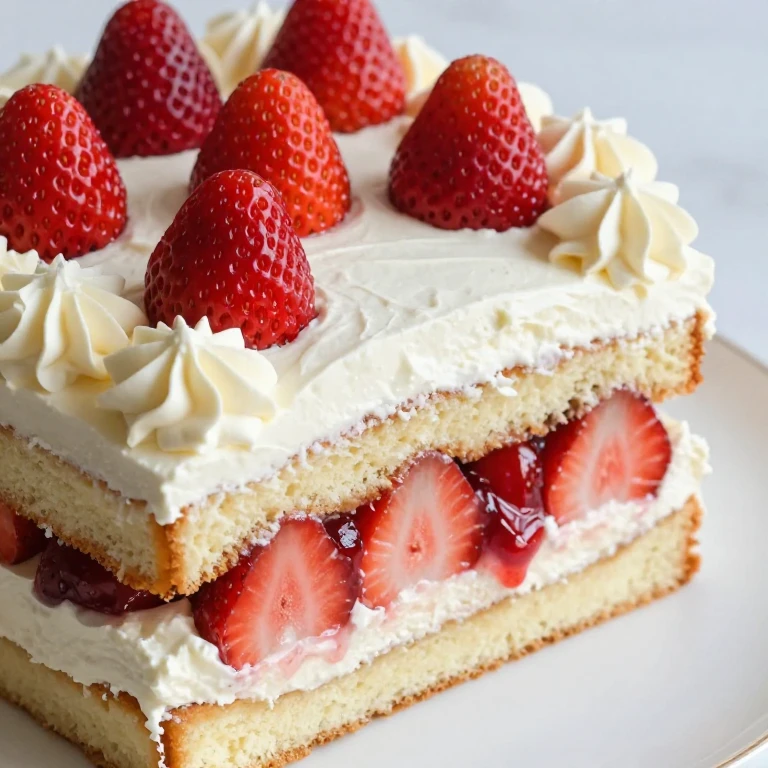
Place one cake layer on a serving plate or cake stand. Spoon about one-third of the macerated berries (with some of their juice) over the layer. Top with about one-third of the whipped cream, spread gently to the edges. Place the second cake layer on top. Spoon the remaining berries over the top layer and arrange them attractively. Finish with the remaining whipped cream, either spread or piped in dollops. If desired, drizzle any remaining berry juice (coulis-style) around the plate or over the top.
Chef Notes
- I always separate my eggs while they’re cold, then let the whites come to room temperature before whipping. Cold egg whites take longer to reach stiff peaks, and room-temperature whites incorporate air more efficiently.
- In my kitchen, I use a bench scraper to fold the egg whites into the batter. It’s gentler than a spatula and gives you more control, which means fewer deflated whites and a more tender cake.
- When you’re testing the cakes for doneness, insert the toothpick into the thickest part of the cake, not near the edge. The edges set faster, so testing there gives you a false sense of doneness.
- I macerate the berries in a fine-mesh strainer set over a bowl. That way, I can collect the juice that drains, and I can use it as a coulis or brush it onto the cake layers for extra flavor and moisture.
- Stabilized whipped cream is your friend if you’re making this ahead. I’ve piped it into rosettes and refrigerated them for up to 6 hours without any breakdown.
Whirl Factor
The texture contrast is the payoff: tender cake that doesn’t collapse, juicy berries that flavor every layer, and cream that holds its shape. The stabilizer is the secret—it keeps the whipped cream firm enough to support the cake’s weight while staying light and airy. The maceration timing means the berries develop deep flavor without waterlogging the layers. This is a cake that looks pristine on the plate and tastes like you spent hours on it, when the actual hands-on time is less than 30 minutes.
Spin Options
Biscuit-Sponge Hybrid: If you want a sturdier cake, replace the whipped egg whites with 1 teaspoon of baking soda mixed into the flour. The cake will be denser and more biscuit-like, closer to a traditional shortcake. It’s sturdier but less tender, so choose based on how you plan to assemble and serve.
Brown Butter Vanilla: Brown the butter before creaming it with sugar. This adds a nutty depth that plays beautifully against the strawberries. The method is the same; just let the browned butter cool to room temperature before creaming. This changes the flavor profile slightly but not the texture or timing.
Almond or Cardamom Cake: Substitute ¼ cup of the flour with almond flour, or add ¼ teaspoon of ground cardamom to the dry ingredients. Either shift adds complexity without compromising the tender crumb. If using almond flour, reduce the milk to 2 tablespoons, as almond flour absorbs more liquid.
Texture & Taste Expectations
When you slice into this cake, you’ll see distinct layers: pale golden cake, bright red berries, and white cream. The cake itself is tender and almost delicate—it should compress slightly under the knife but hold together cleanly. The berries are soft and juicy, releasing their macerated juice into the cake as you eat. The cream is firm but light, not dense or heavy. The overall taste is strawberry-forward with vanilla as the supporting note. The lemon juice in the maceration brings brightness and prevents the whole thing from feeling too sweet. Each bite should feel balanced: cake, fruit, cream in equal measure.
Customization Ideas
- Dairy-Free Whipped Cream: Use chilled coconut cream (the thick part from a can of full-fat coconut milk) instead of heavy cream. Whip it the same way, and use the same stabilizer. The texture is slightly less silky, but it works. You may need to add a touch more powdered sugar to balance the coconut flavor.
- Gluten-Free Cake: Substitute the all-purpose flour with a 1:1 gluten-free blend. The cake will be marginally denser, but the whipped egg whites keep it tender. The baking time may be 2 to 3 minutes longer, so check at 25 minutes.
- Boozy Berries: Add 1 tablespoon of balsamic vinegar or a splash of Grand Marnier to the macerated berries. This deepens the flavor and adds sophistication. It doesn’t change the texture or timing, just the flavor direction.
- Coulis Drizzle: Blend ½ cup of the macerated berries with 1 tablespoon honey and strain through a fine-mesh sieve. Drizzle this around the plate or over the top of the assembled cake for extra berry punch and visual appeal.
- Chocolate Cake Layer: If you want to mix it up, use a chocolate cake recipe for one layer and vanilla for the other. The strawberries and cream work with both, and the flavor contrast is striking.
Pairing Ideas
This cake is elegant enough to serve after a spring dinner, paired with a glass of Prosecco or a light Riesling. The bubbles cut through the richness of the cream and the sweetness of the berries. For a more casual pairing, serve it with strong black tea or a bright espresso—the coffee’s bitterness plays beautifully against the strawberry sweetness. If you’re looking for something unexpected, try it with a dry rosé. The wine’s subtle fruit and acidity echo the berries without competing.
Whirl Finish
Store the assembled cake in the refrigerator, loosely covered, for up to 4 hours. The stabilized whipped cream keeps the cake from weeping, and the macerated berries continue to flavor the layers as it sits. If you’re assembling ahead, keep the cake layers and whipped cream separate, then assemble 1 to 2 hours before serving. Uneaten cake keeps in an airtight container in the refrigerator for up to 2 days, though it’s best eaten within 24 hours.
FAQ
Can I make the cake layers ahead?
Yes. Bake the layers up to 2 days ahead, wrap them tightly in plastic wrap, and store at room temperature or in the refrigerator. If refrigerated, let them come to room temperature before assembling. Cold cake is more fragile and harder to slice cleanly.
What if my whipped cream is weeping?
This usually means the stabilizer wasn’t fully incorporated or the cream was overwhipped. For next time, make sure the stabilizer is fully dissolved before adding it to the cream, and stop whipping as soon as stiff peaks form. If this happens now, gently fold in a tablespoon of powdered sugar, which can help absorb excess moisture.
Can I use frozen strawberries?
Frozen berries work, but they release more liquid than fresh, which can waterlog the cake. If you use frozen, thaw them completely, drain off excess liquid, and macerate them for a shorter time (15 to 20 minutes instead of 30). The flavor will be slightly less bright, but the cake will still be delicious.
How do I get clean slices?
Use a long, thin serrated knife dipped in hot water and wiped dry between each slice. The heat softens the cream slightly, making it easier to cut through cleanly. If the cake is very cold, let it sit at room temperature for 10 minutes before slicing.
Can I make this cake smaller or larger?
Yes. For a 6-inch cake, reduce all cake ingredients by one-third and bake in 6-inch pans for 18 to 22 minutes. For a 9-inch cake, increase ingredients by one-third and bake for 25 to 30 minutes. The berry and cream amounts stay roughly the same—you’re just adjusting the cake’s footprint.
What’s the difference between this and a traditional shortcake?
Traditional shortcake is usually a biscuit—denser and crumbly. This recipe uses a tender sponge cake, which is sturdier and holds up better to layering and macerated berries. It’s closer to a classic cake, but with the light, delicate texture of shortcake.
Can I add a cake crumb or cookie layer?
Absolutely. Crush some vanilla wafers or digestive biscuits, mix with melted butter, and press a thin layer between the cake and the berries. This adds texture and prevents the berries from soaking directly into the cake. It doesn’t change the timing, just adds another dimension to the bite.
Layered Strawberry Shortcake Cake With Whipped Cream
Ingredients
Method
- Preheat oven to 350°F. Grease and flour two 8-inch round cake pans, or line the bottoms with parchment paper for easier release.
- In a small bowl, whisk together flour, baking powder, and salt. Set aside.
- In a large bowl, cream softened butter and granulated sugar together until light and fluffy, about 3–4 minutes. The mixture should be pale and increased in volume.
- Add eggs one at a time, beating well after each addition. Scrape down the bowl between additions.
- Add vanilla bean paste and almond extract. Mix until combined.
- Alternate adding the flour mixture and milk, starting and ending with flour. Add in three additions of flour and two of milk, mixing on low speed until just combined after each addition. Do not overmix.
- Divide batter evenly between prepared pans. Smooth the tops with an offset spatula.
- Bake for 22–25 minutes, until a toothpick inserted in the center comes out clean or with just a few moist crumbs. The cake should be golden and spring back when lightly touched.
- Cool in pans for 10 minutes, then turn out onto wire racks to cool completely.
- While cakes cool, prepare the strawberries. Combine hulled and halved strawberries with granulated sugar and balsamic vinegar in a large bowl. Toss gently to combine. Let macerate at room temperature for 2–3 hours, stirring occasionally. The strawberries will release their juice and soften slightly.
- When ready to assemble, prepare the stabilized whipped cream. In a medium bowl, beat softened cream cheese until smooth, about 1 minute. Add heavy cream, powdered sugar, vanilla extract, and salt.
- Beat on medium speed until stiff peaks form, about 3–4 minutes. Do not overbeat or the cream will break.
- Place one cooled cake layer on a serving plate. Spread or pipe a thin layer of whipped cream on top, leaving about 1/2 inch border.
- Spoon half of the macerated strawberries and their juice over the whipped cream layer.
- Place the second cake layer on top. Press gently to secure.
- Spread the remaining whipped cream over the top and sides of the cake, or pipe it in a decorative pattern.
- Arrange remaining strawberries on top in a single layer or scattered pattern.
- Refrigerate for at least 30 minutes before serving. This helps the layers set and makes slicing cleaner.