

Monday mornings demand a strategy. I’ve learned that the difference between a rushed, forgettable breakfast and one that actually fuels your day often comes down to prep done on Sunday. When I started making freezer breakfast burritos, everything shifted—no more scrambling for something quick, no more settling for whatever’s in the pantry. These three variations sit ready in my freezer, each one a complete, portable meal that reheats in minutes and tastes like I spent real time on breakfast.
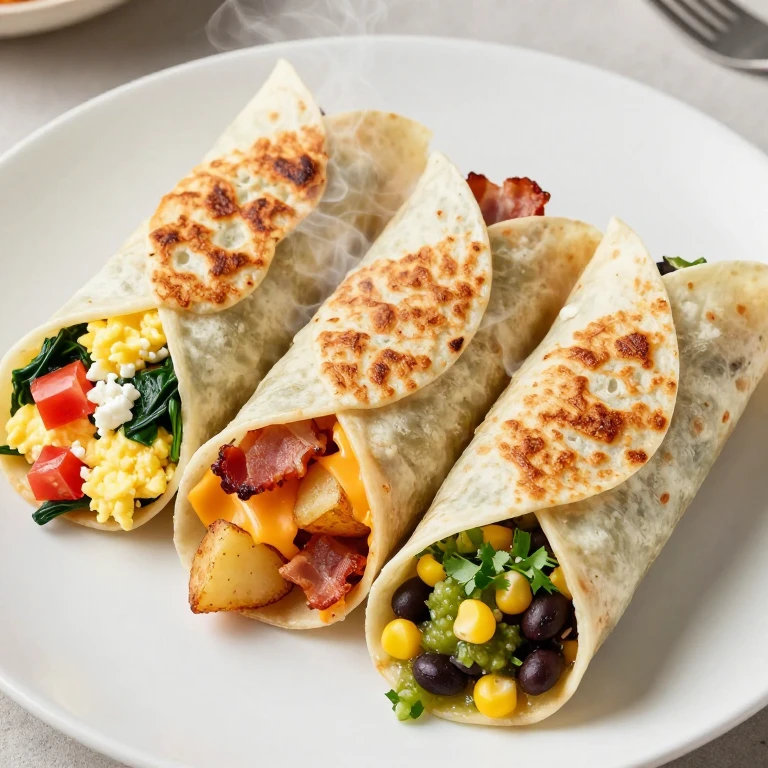
This eggs breakfast meal prep recipe is built around soft-scrambled eggs as the anchor, layered with three distinct flavor combinations. The genius is the texture contrast: creamy eggs against crispy-edged tortillas that get toasted during reheating, cool fillings that warm through evenly, and the structural integrity that makes these actually portable. I’m sharing the spinach-feta with tomatoes, bacon-cheddar with potatoes, and veggie black bean with salsa verde—but once you understand the method, you’ll build your own combinations.
What Makes This Dish Special
Freezer breakfast burritos live in a practical sweet spot that most breakfast recipes miss. They’re not frozen solid blocks that reheat unevenly; they’re wrapped tight enough to hold together but flexible enough that the filling thaws and heats through at the same rate as the tortilla. The soft-scramble base is critical here—it stays creamy through the freeze-thaw cycle instead of turning rubbery, and it binds everything together without needing extra sauce.
The texture contrast is where these earn their place in rotation. When you reheat in a toaster oven or skillet, the tortilla exterior crisps up while the inside stays pliable. The eggs stay tender, the cheese melts into pockets, and the vegetables soften without turning mushy. I’ve tested reheating methods extensively, and the skillet method gives you control: you can crisp the edges exactly how you want them in about three minutes.
These are also deeply customizable without losing integrity. The three versions I’m sharing represent different flavor families—Mediterranean, American comfort, and Latin-inspired—but the structure holds for any filling combination you prefer.
Flavor Profile Breakdown
Each burrito version builds flavor in layers. The spinach-feta combination opens with the earthiness of sautéed spinach, the salt and tang of crumbled feta in the mid-palate, and tomatoes add brightness and acidity on the finish. The bacon-cheddar version is richer: smoky, salty bacon plays against sharp cheddar and creamy potatoes, with a subtle pepper note underneath. The black bean and salsa verde version brings cumin warmth, the brightness of cilantro and lime in salsa verde, and the earthiness of beans grounding everything. In each case, the soft eggs act as a unifying element—they carry salt, fat, and richness that lets every other flavor read clearly without competing.
Ingredient Highlights
The eggs are non-negotiable. I use large eggs and cook them to a soft scramble—still slightly wet when they leave the pan. They’ll continue cooking slightly during freezing and reheating, so undercooking at this stage prevents that rubbery texture I mentioned. If you’re using smaller eggs, adjust to 10 total; if larger, 12 works better.
Flour tortillas (not corn) are essential for freezing. Corn tortillas crack when frozen and thawed; flour tortillas stay flexible. I use 10-inch tortillas because they’re large enough to hold substantial filling without tearing, but small enough to wrap tightly. If you only have 8-inch tortillas, use fewer fillings per burrito and expect to make more burritos from the same filling amounts.
The cheese matters. I use sharp cheddar in the bacon version because it has enough flavor to read through the richness of bacon and potatoes. For the spinach-feta version, authentic feta (not the pre-crumbled kind, which contains anti-caking agents) breaks up more evenly and melts smoother. Substitutions: sharp white cheddar for regular cheddar, goat cheese for feta, or Monterey Jack if you want something milder. Just avoid pre-shredded cheese with cellulose—it doesn’t melt as cleanly.
Whirl Hook
The signature move here is the soft-scramble anchor combined with tight wrapping and strategic reheating. You’re building a burrito that freezes without losing texture, reheats in under five minutes, and tastes like intentional breakfast—not a compromise. The texture contrast between crispy tortilla edges and creamy egg centers is the payoff.
Flavor Spin
I’m giving you three distinct flavor directions, each one a complete meal. Spinach-feta leans Mediterranean—earthy, tangy, bright. Bacon-cheddar is pure American comfort—smoky, rich, familiar. Black bean and salsa verde brings warmth and citrus brightness. Once you’ve made one, you’ll see how to remix: different proteins, different vegetables, different cheeses. The structure holds.
Cooking Walkthrough
For all three versions:
- 12 large eggs
- 3 tablespoons butter
- Salt and black pepper to taste
- 6 flour tortillas (10-inch)
Spinach-Feta Version:
- 3 cups fresh spinach
- 1 cup crumbled feta cheese
- 1 cup diced tomatoes (fresh or drained canned)
- 2 cloves garlic, minced
- 1 teaspoon olive oil
Bacon-Cheddar Version:
- 8 slices bacon, cooked and crumbled
- 1 1/2 cups shredded sharp cheddar cheese
- 2 medium potatoes, diced small and roasted until tender
- 1/4 teaspoon smoked paprika
Black Bean and Salsa Verde Version:
- 1 can (15 oz) black beans, drained and rinsed
- 1 cup salsa verde
- 1 cup corn (fresh, frozen, or canned)
- 1/2 cup shredded Monterey Jack cheese
- 1 teaspoon cumin
- 1/4 cup fresh cilantro, chopped
Step 1: Prepare fillings. For spinach-feta, heat olive oil in a large skillet over medium heat. Add minced garlic and cook 30 seconds until fragrant. Add spinach and cook, stirring often, until completely wilted and any liquid has evaporated—about 3 minutes. The spinach should look dry, not wet. Transfer to a bowl and let cool slightly. Stir in crumbled feta and diced tomatoes. For bacon-cheddar, combine cooked bacon crumbles, roasted potatoes, smoked paprika, and cheddar cheese in a bowl. For black bean and salsa verde, combine drained black beans, salsa verde, corn, cumin, Monterey Jack, and cilantro in a bowl. Set all fillings aside to cool to room temperature.
Step 2: Scramble eggs. Crack all 12 eggs into a bowl and whisk until combined. Add a generous pinch of salt and several grinds of black pepper. Melt butter in a large nonstick skillet over medium heat. Once the butter is foaming and the pan is hot, pour in eggs. Let them sit for about 20 seconds without stirring, then use a silicone spatula to gently push cooked egg from the edges toward the center. Repeat this motion every 15-20 seconds. The eggs will look slightly underdone when you transfer them—they should still have visible wet patches. This is correct. Transfer to a plate and let cool for 5 minutes. You’re aiming for soft, creamy scrambled eggs, not fully set ones.
Step 3: Assemble burritos. Lay a tortilla flat on a clean surface. Place about 2 tablespoons of scrambled eggs slightly below the center. Top with approximately 1/3 cup of your chosen filling, keeping it in a rough line across the tortilla. Fold the bottom edge of the tortilla up and over the filling, then fold in the left and right sides, and roll tightly away from you. The burrito should be snug but not so tight that the tortilla tears. Place seam-side down on a parchment-lined baking sheet. Repeat with remaining tortillas and fillings, making 2 burritos of each flavor if you’re dividing the egg mixture evenly.
Step 4: Freeze. Place the baking sheet in the freezer for at least 4 hours, preferably overnight, until the burritos are completely frozen solid. Once frozen, transfer to a freezer bag or airtight container, separating layers with parchment paper. They’ll keep for up to 3 months.
Step 5: Reheat. Remove a burrito from the freezer and let it sit at room temperature for 5 minutes—this prevents the tortilla from cracking. Heat a skillet over medium heat and add a small amount of butter. Place the burrito seam-side down in the skillet and cook for 2-3 minutes until the bottom is lightly golden and crispy. Flip and cook the other side for another 2 minutes. The burrito will be heated through when the filling is warm and the cheese is melted. Alternatively, wrap loosely in foil and reheat in a 350°F toaster oven for 12-15 minutes, then unwrap and place directly on the oven rack for the final 2 minutes to crisp the tortilla.
Whirl Factor
The texture contrast is everything. Soft-scramble eggs stay creamy through the freeze-thaw cycle, fillings warm through evenly, and the tortilla exterior crisps up during reheating while the interior stays pliable. You’re getting a portable meal that tastes intentional, not compromised.
Chef Notes
- I always undercook the eggs slightly—they continue cooking during freezing and reheating. Fully set eggs at the pan stage will turn rubbery by the time you eat them.
- In my kitchen, I prep all three filling combinations on the same day, then assemble and freeze. It’s one workflow instead of three separate cooking sessions.
- The skillet reheating method gives you the best texture contrast. You get crispy edges and a warm interior in under five minutes, which is faster than the oven method but gives you more control than microwaving.
- If you’re batch-prepping for the week, assemble all burritos first, then freeze. Don’t freeze the fillings separately and assemble later—the eggs will have lost their creamy texture by then.
- I label each burrito type with a small piece of tape on the freezer bag. After a week, they all look identical, and it’s easy to grab the wrong one when you’re half-asleep.
Whirl Finish
Serve each burrito with hot sauce, salsa, or sour cream on the side. A squeeze of lime juice over the black bean version brightens it further. Pair with fresh fruit—berries, melon, or orange slices—for a complete breakfast that covers protein, carbs, vegetables, and fruit. These are meant to be eaten at the table or on the go, so don’t skip the finishing condiments. They’re not optional; they’re the flavor bridge that makes these taste like real breakfast instead of meal-prep necessity.
Texture & Taste Expectations
When you bite into a reheated burrito, you’ll encounter a warm, slightly crispy tortilla exterior that gives way to creamy scrambled eggs, melted cheese, and tender vegetables or beans. The filling should feel cohesive, not separated or watery. The eggs should taste rich and buttery, not rubbery or dry. If your burrito feels dry, you didn’t cook the eggs to the right stage initially. If the filling is watery, your vegetables released too much moisture during cooking or freezing—next time, make sure spinach is completely dry and roasted potatoes are fully cooked before assembly.
Customization Ideas
- Protein swaps: Use sausage instead of bacon, or skip meat entirely for a vegetarian version. Smoked salmon and cream cheese works beautifully in a breakfast burrito, though the texture is different—more delicate, less hearty.
- Vegetable directions: Caramelized onions, roasted bell peppers, sautéed mushrooms, or fresh avocado all work. If adding avocado, do it fresh at serving time, not during assembly—it browns and oxidizes during freezing.
- Cheese variations: Gruyère, Swiss, pepper jack, or smoked gouda all melt well and add different flavor notes. Avoid soft cheeses like fresh mozzarella or goat cheese unless you’re eating the burrito immediately.
- Salsa or sauce: Mix salsa into the filling before assembly, or serve on the side. If mixing in, account for extra moisture—the burrito may be wetter than you expect after freezing.
- Dairy-free option: Use dairy-free cheese and skip the feta. The texture will be slightly different, but the burritos will still freeze and reheat well.
Pairing Ideas
Serve these with fresh fruit—berries, melon, or citrus—for a balanced breakfast. A cup of strong coffee or tea is essential; the richness of the burritos pairs well with something bitter and hot. For a more substantial weekend brunch, add a simple green salad with a bright vinaigrette to cut through the richness. If you’re meal-prepping for the week, pair with a bottle of hot sauce or salsa verde at the table—these finishing condiments make the difference between a satisfying breakfast and a memorable one.
Spin Options
Mediterranean Remix: Swap the tomatoes for sun-dried tomatoes, add kalamata olives, and finish with a drizzle of tahini sauce at serving time. The olives add brininess and the tahini adds richness.
Southwestern Upgrade: Use the black bean base but add chorizo crumbles, roasted poblano peppers, and cotija cheese instead of Monterey Jack. Serve with lime crema on the side.
Italian Breakfast Version: Use the spinach base but add roasted red peppers, fresh mozzarella, and a small amount of pesto mixed into the eggs. This one is best eaten fresh or reheated gently—the pesto can separate if overheated.
FAQ
Can I freeze burritos in foil instead of parchment?
Yes, foil works fine for freezing. I prefer parchment because it’s easier to peel away when you’re ready to reheat, and the burrito doesn’t stick to it. Foil works equally well for storage; just wrap tightly and label with the date.
How long do these keep in the freezer?
Up to 3 months. After that, they’re still safe to eat, but the texture of the tortilla starts to deteriorate—it becomes brittle instead of pliable. I make a fresh batch every 6-8 weeks.
Can I reheat in the microwave?
Technically yes, but I don’t recommend it. The microwave heats unevenly, the tortilla becomes rubbery, and the filling gets scalding hot while the edges stay cool. The skillet or toaster oven method takes only a few minutes longer and produces a dramatically better result.
What if my filling is watery after freezing?
This happens when vegetables release moisture. Make sure spinach is completely dry before assembly, roasted potatoes are fully cooked and cooled, and any fresh vegetables are patted dry. If you’re adding salsa, don’t mix it directly into the filling—serve it on the side instead.
Can I assemble these the night before and freeze the next morning?
Yes, but don’t let them sit in the refrigerator longer than overnight. The longer they sit before freezing, the more moisture the eggs will release, and the texture will suffer. Freeze within 12 hours of assembly for best results.
Do I need to thaw before reheating?
A 5-minute room-temperature rest prevents the tortilla from cracking, but you don’t need a full thaw. The burrito will reheat perfectly from frozen if you’re patient with the skillet method—just add an extra minute or two to the cooking time.
What’s the best way to transport these if I’m eating at work?
Wrap in foil or parchment and place in an insulated lunch bag with an ice pack. They’ll thaw gradually during the morning and be ready to eat or reheat by lunch. If your workplace has a microwave (despite my objections), you can reheat there, though the skillet method at home before leaving is better if you have time.
Freezer Breakfast Burritos, Three Eggy Ways
Ingredients
Method
- Prepare fillings. For spinach-feta, heat olive oil in a large skillet over medium heat. Add minced garlic and cook 30 seconds until fragrant. Add spinach and cook, stirring often, until completely wilted and any liquid has evaporated—about 3 minutes. Transfer to a bowl and let cool slightly. Stir in crumbled feta and diced tomatoes. For bacon-cheddar, combine cooked bacon crumbles, roasted potatoes, smoked paprika, and cheddar cheese in a bowl. For black bean and salsa verde, combine drained black beans, salsa verde, corn, cumin, Monterey Jack, and cilantro in a bowl. Set all fillings aside to cool to room temperature.
- Scramble eggs. Crack all 12 eggs into a bowl and whisk until combined. Add a generous pinch of salt and several grinds of black pepper. Melt butter in a large nonstick skillet over medium heat. Once the butter is foaming and the pan is hot, pour in eggs. Let them sit for about 20 seconds without stirring, then use a silicone spatula to gently push cooked egg from the edges toward the center. Repeat this motion every 15-20 seconds. The eggs will look slightly underdone when you transfer them—they should still have visible wet patches. Transfer to a plate and let cool for 5 minutes.
- Assemble burritos. Lay a tortilla flat on a clean surface. Place about 2 tablespoons of scrambled eggs slightly below the center. Top with approximately 1/3 cup of your chosen filling, keeping it in a rough line across the tortilla. Fold the bottom edge of the tortilla up and over the filling, then fold in the left and right sides, and roll tightly away from you. The burrito should be snug but not so tight that the tortilla tears. Place seam-side down on a parchment-lined baking sheet. Repeat with remaining tortillas and fillings.
- Freeze. Place the baking sheet in the freezer for at least 4 hours, preferably overnight, until the burritos are completely frozen solid. Once frozen, transfer to a freezer bag or airtight container, separating layers with parchment paper. They'll keep for up to 3 months.
- Reheat. Remove a burrito from the freezer and let it sit at room temperature for 5 minutes. Heat a skillet over medium heat and add a small amount of butter. Place the burrito seam-side down in the skillet and cook for 2-3 minutes until the bottom is lightly golden and crispy. Flip and cook the other side for another 2 minutes. Alternatively, wrap loosely in foil and reheat in a 350°F toaster oven for 12-15 minutes, then unwrap and place directly on the oven rack for the final 2 minutes to crisp the tortilla.