

There’s a moment when you pull a sheet cake from the oven and the kitchen fills with that warm, buttery almond scent—it’s the smell of something elegant happening in a simple pan. That’s the magic of this almond sheet cake. It’s not fussy. It’s not trying to be a three-tier showstopper. But the tender white crumb and fragrant almond extract make it feel special enough for a birthday table, a wedding spread, or just a really good afternoon with coffee.
I’ve built this recipe around one core principle: a flat-topped, slice-clean cake with enough almond flavor to matter, paired with a glossy almond glaze or silky buttercream that finishes the job. The egg-white mixing technique gives you lift without heaviness. The bake time is forgiving. And the formula scales from a 9×13 to a 12×18 without fuss. This is the sheet cake that shows up and performs.
What Makes This Dish Special
This almond sheet cake has two signature moves. First, the egg-white base creates a tender, fine crumb that slices clean without crumbling—that’s the result of whipping whites separately and folding them in at the end. Second, the almond extract concentration is deliberate and balanced. I’m using both almond extract and sliced almonds in the batter, which builds flavor depth without making the cake taste like marzipan.
The flat top is intentional too. Most home bakers end up with a dome in the center, which means uneven frosting and awkward slicing. I’ve dialed in the oven temperature and bake time so you get a level surface that’s ready for a glaze or frosting without any leveling knife work.
- Tender white crumb: Egg-white mixing creates structure and lift without density.
- Almond flavor with restraint: Extract + sliced almonds in the batter = fragrance without marzipan overload.
- Flat top, ready to decorate: Bakes level so your frosting sits evenly and slices stay neat.
Flavor Profile Breakdown
The flavor moves in layers. The base is buttery sweetness with a soft vanilla note—that’s your foundation. The mid-palate is where the almond extract arrives, warm and slightly floral, grounded by the sliced almonds’ subtle nuttiness. The finish is clean and bright, with no lingering sweetness. The glaze or buttercream adds richness and another almond note on top, so each bite reinforces the flavor story without overdoing it.
The salt in the batter matters here. It cuts the sweetness and makes the almond flavor read more clearly. The fat—butter in the batter, butter in the frosting—carries all those flavors forward and keeps the crumb tender through storage.
Ingredient Highlights
The star here is almond extract, and I’m using it at a higher ratio than some bakers would. A full teaspoon in a 9×13 cake gives you presence without harshness. If you prefer a gentler almond note, start at ¾ teaspoon and adjust to taste in the batter before baking.
Sliced almonds in the batter add texture and reinforce the almond flavor. I toast them lightly before folding them in—this deepens their flavor and prevents them from sinking to the bottom. If you don’t have sliced almonds, blanched slivered almonds work fine, though they’ll add a slightly different texture.
Egg whites are the structural workhorse. Whipping them separately and folding them in at the end creates air pockets that give you height and a tender crumb. This is the move that separates a dense sheet cake from one that feels delicate.
For the glaze, I’m using almond extract again—just ½ teaspoon—so it echoes the cake without competing. If you want to swap the glaze for buttercream, you can use the same almond extract ratio and get the same effect with a richer mouthfeel.
Whirl Hook
This almond sheet cake is built on a single, high-impact twist: egg-white whipping for a tender, level-topped crumb that slices clean and decorates beautifully. Pair that with a concentrated almond flavor (extract + toasted sliced almonds) and you’ve got a modern sheet cake that feels elegant without the fuss. The flat top means no leveling work. The flavor is bold but balanced. And it scales from 9×13 to 12×18 without formula changes.
Flavor Spin
The core flavor contrast here is buttery sweetness + almond warmth + clean finish. The almond extract and sliced almonds create a flavor that’s present and distinctive, while the egg-white structure keeps the crumb light enough that it doesn’t feel heavy. The glaze or buttercream adds richness and reinforces the almond note, so every element of the cake is working toward the same flavor story. This is a recipe where each component serves the whole—no competing flavors, no confusion.
Cooking Walkthrough
Ingredients:
- 2¼ cups all-purpose flour
- 2½ teaspoons baking powder
- ½ teaspoon salt
- ¾ cup unsalted butter, softened
- 1½ cups granulated sugar
- 5 large egg yolks
- 1 teaspoon almond extract
- ¾ cup whole milk
- ¾ cup sliced almonds, lightly toasted
- 5 large egg whites
- ¼ teaspoon cream of tartar
For the Almond Glaze:
- 2 cups powdered sugar
- 3 tablespoons unsalted butter, melted
- 3 tablespoons whole milk or almond milk
- ½ teaspoon almond extract
- Pinch of salt
- Sliced almonds or fresh berries for topping (optional)
Step 1: Prep and preheat. Position your oven rack in the center and preheat to 350°F. Line a 9×13-inch baking pan with parchment paper, leaving a slight overhang on two sides so you can lift the cake out cleanly. If you’re making a 12×18 cake, use a half-sheet pan and add 50% more of each ingredient (I’ll note this as you go). Whisk together flour, baking powder, and salt in a small bowl and set aside.
Step 2: Cream butter and sugar. In a large bowl, beat softened butter and granulated sugar together for 3 to 4 minutes on medium speed. The mixture should look pale, fluffy, and noticeably lighter than when you started. This aeration is what gives you lift in the finished cake.
Step 3: Add yolks and almond extract. Add egg yolks one at a time, beating for about 30 seconds after each addition so they incorporate fully. Once all yolks are in, add the almond extract and beat for another 30 seconds. The batter will look smooth and creamy.
Step 4: Alternate dry and wet ingredients. Add about a third of the flour mixture, beat on low speed for about 20 seconds until just combined. Add half of the milk, beat for 20 seconds. Repeat: another third of flour, remaining milk, final third of flour. After the last flour addition, beat for just 10 seconds—you want the batter combined but not overworked. Overmixing at this stage can toughen the crumb.
Step 5: Fold in toasted almonds. Gently fold the toasted sliced almonds into the batter with a spatula. Use about 12 to 15 folds, just until the almonds are distributed. Don’t overmix.
Step 6: Whip egg whites. In a clean, dry bowl (any grease will prevent proper whipping), combine egg whites and cream of tartar. Beat on high speed for 4 to 5 minutes until stiff peaks form. The whites should look glossy and hold their shape when you lift the beaters. This is your lift engine—don’t skip this step.
Step 7: Fold whites into batter. Add about a third of the whipped whites to the batter and fold gently with a spatula, using about 10 to 12 folds. This lightens the batter so the remaining whites fold in more easily. Add the remaining whites in two additions, folding gently each time until just combined. You want to see a few white streaks disappear, but stop before you’ve deflated all the air.
Step 8: Pour and smooth. Transfer the batter to your prepared pan and smooth the top with an offset spatula or the back of a spoon. Tap the pan gently on the counter a few times to release any large air pockets.
Step 9: Bake. Bake for 28 to 32 minutes for a 9×13 cake (35 to 40 minutes for a 12×18). The cake is done when a toothpick inserted in the center comes out clean or with just a few moist crumbs. The top should be pale golden and spring back slightly when you press it gently with your finger. Don’t overbake—a slightly underbaked cake will be more tender than a dry one.
Step 10: Cool completely. Let the cake cool in the pan for 15 minutes, then turn it out onto a wire rack and cool completely before glazing or frosting. This takes about 1 to 2 hours. If you’re in a hurry, you can glaze a slightly warm cake, but the glaze will set more evenly on a fully cooled surface.
For the Almond Glaze: Whisk together powdered sugar, melted butter, milk, almond extract, and salt in a bowl. The glaze should be pourable but thick enough to coat a spoon. If it’s too thick, add milk a teaspoon at a time. If it’s too thin, add powdered sugar. Drizzle the glaze over the cooled cake and spread it gently with an offset spatula. Scatter sliced almonds or fresh berries on top if desired. Let the glaze set for 15 to 20 minutes before slicing.
Whirl Factor
The texture contrast here is the whole story. You get a tender, fine crumb (from the whipped egg whites) against a glossy, silky glaze. The almond flavor is present in both the cake and the frosting, so it builds with each bite. The sliced almonds add a subtle crunch that plays against the soft crumb. This is a cake that’s elegant to look at and satisfying to eat—no dense, heavy feeling, no dry spots, no flat flavor.
Chef Notes
I always toast my sliced almonds before folding them into the batter. Raw almonds have a slightly raw, astringent flavor that you don’t want in a delicate cake. A light toast in a dry skillet for 2 to 3 minutes brings out their sweetness and deepens the almond flavor throughout the cake.
In my kitchen, I’ve learned that the cream of tartar is non-negotiable for egg whites. It stabilizes the whites so they hold their peaks longer and don’t weep liquid into the batter. If you don’t have cream of tartar, a tiny squeeze of lemon juice works in a pinch, but cream of tartar is more reliable.
When you’re folding the egg whites, resist the urge to be thorough. A few white streaks in the batter are fine—they’ll disappear during baking. Overmixing deflates all that air you just whipped in, and you’ll end up with a denser cake. Gentle is the word.
I always bake this cake on the center rack of the oven. If you bake on the lower rack, the bottom can brown too quickly. If you bake on the upper rack, the top can brown before the center is done. Center rack, every time.
If you’re making this cake ahead, bake it a day or two in advance and store it wrapped in plastic wrap at room temperature. The crumb actually improves slightly as it sits—it becomes more tender and the almond flavor settles in. Glaze or frost it on the day you’re serving.
Spin Options
Almond Buttercream Frosting: If you prefer a richer frosting, skip the glaze and make a simple almond buttercream. Beat 1 cup of softened unsalted butter with 3 cups of powdered sugar, 3 tablespoons of whole milk, and ½ teaspoon of almond extract until light and fluffy. Spread it over the cooled cake and top with sliced almonds. The buttercream is thicker than the glaze and creates a more substantial frosting layer.
Raspberry Swirl: For a flavor contrast, add a thin layer of raspberry jam between the cake and the glaze. Spread about ¼ cup of seedless raspberry jam over the cooled cake, then pour the almond glaze over top. The tartness of the raspberry plays beautifully against the sweet almond flavor. You can also fold fresh raspberries into the buttercream if you’re using that instead of glaze.
Lemon-Almond Twist: Replace ½ teaspoon of the almond extract with ½ teaspoon of lemon extract, and add 1 tablespoon of lemon zest to the batter. The lemon brightens the almond flavor and creates a more complex taste profile. Use the same glaze recipe but add 1 teaspoon of lemon juice in place of some of the milk.
Whirl Finish
Slice this cake with a sharp, hot knife (dip it in hot water and wipe it dry between slices) to get clean edges. The glaze or frosting will help seal the cut and keep the crumb from crumbling. Store leftovers covered at room temperature for up to 3 days, or wrapped in plastic wrap in the freezer for up to 2 months. The cake actually slices more neatly the day after baking, so if you have the time, bake it ahead. Serve it with coffee, tea, or a cold glass of milk.
Texture & Taste Expectations
When you slice into this cake, you’ll see a pale, fine crumb with tiny pockets of air throughout—that’s the egg-white structure at work. The top has a light golden color and a slight sheen from the glaze. The first bite is tender and buttery, with a warm almond flavor that’s present but not overwhelming. The glaze adds a silky sweetness that echoes the almond without competing. The sliced almonds, if you’ve added them, give a subtle crunch that makes the eating experience more interesting. The finish is clean and bright—no lingering sweetness, no heavy feeling. This is a cake that tastes elegant and feels light.
Customization Ideas
- Dairy-Free Version: Replace the butter with dairy-free butter, use unsweetened almond milk instead of whole milk, and use dairy-free butter in the glaze. The flavor will be nearly identical, though the crumb may be slightly less tender. The bake time should remain the same.
- Gluten-Free Version: Substitute a 1:1 gluten-free flour blend for the all-purpose flour. Add ½ teaspoon of xanthan gum to the dry ingredients if your blend doesn’t contain it. The crumb will be slightly more delicate, so handle the cake gently. Bake time may increase by 2 to 3 minutes.
- Almond Flour Boost: Replace ¼ cup of the all-purpose flour with almond flour for a deeper almond flavor and a slightly more tender crumb. The cake will be slightly denser, but the almond flavor will be more pronounced.
- Scaled-Up Version: For a 12×18 half-sheet cake, multiply all ingredients by 1.5. The bake time increases to 35 to 40 minutes. The cake will be thinner, which means it bakes faster and slices more neatly for large gatherings.
- White Chocolate Almond Glaze: Melt 4 ounces of white chocolate with 2 tablespoons of butter, then whisk in 2 tablespoons of milk and ½ teaspoon of almond extract. The white chocolate adds richness and a subtle sweetness that complements the almond flavor beautifully.
Pairing Ideas
Serve this cake with strong black coffee or a delicate herbal tea—the almond flavor pairs beautifully with both. For a more elevated pairing, offer it alongside a dessert wine like Moscato d’Asti, which echoes the cake’s sweetness and adds a floral note that complements the almond. If you’re serving it at a gathering, pair it with fresh berries—raspberries, blueberries, or sliced strawberries—either scattered on top or served on the side. The tartness of the berries cuts the sweetness of the cake and adds color and freshness. For a simple afternoon snack, this cake needs nothing more than a glass of cold milk and a quiet moment.
FAQ
Can I make this cake in advance?
Yes, absolutely. Bake the cake a day or two ahead and store it wrapped in plastic wrap at room temperature. The crumb actually improves as it sits—it becomes more tender and the almond flavor develops. Glaze or frost it on the day you’re serving so the frosting looks fresh. If you’re freezing the cake, wrap it well in plastic wrap and foil and freeze for up to 2 months. Thaw it at room temperature before glazing.
Why is my cake dome in the center instead of flat?
This usually happens when the oven temperature is too high or the cake bakes too fast. The edges set before the center rises fully, creating a dome. Make sure your oven is calibrated correctly—an oven thermometer is your best tool here. Also, baking on the center rack helps ensure even heat distribution. If your oven runs hot, lower the temperature by 25°F and add a few minutes to the bake time.
Can I use liquid almond extract instead of the standard kind?
Liquid almond extract is more concentrated than standard almond extract, so you’d use less. Start with ¾ teaspoon and taste the batter before baking to adjust. The flavor profile will be slightly different—liquid extract tends to be more intense—but it will work. Just be careful not to overdo it, or the cake will taste medicinal.
What’s the best way to slice this cake neatly?
Use a sharp serrated knife and dip it in hot water, then wipe it dry before each cut. The heat helps the knife glide through the frosting without dragging. If you’re slicing a glazed cake, let the glaze set completely first—at least 20 minutes. For a buttercream-frosted cake, a warm knife is even more important because the frosting is thicker. Work slowly and let the knife do the work.
Can I make this cake without the almond extract?
You can, but the cake will taste more like a vanilla sheet cake. If you want to keep some almond flavor without extract, increase the sliced almonds to 1 cup and toast them well before folding in. You’ll get a subtle almond flavor from the nuts themselves, though it won’t be as pronounced. Alternatively, add 1 teaspoon of vanilla extract to deepen the vanilla flavor and make up for the missing almond note.
How do I know when the cake is fully cooled?
The cake should be completely cool to the touch before you glaze it. If you glaze a warm cake, the glaze will melt and run off unevenly. A fully cooled cake (usually 1 to 2 hours after turning out of the pan) will have a set glaze that looks smooth and professional. If you’re in a hurry, you can refrigerate the cake for 30 minutes to speed up cooling, then glaze it.
Can I add food coloring to the glaze?
Yes, gel food coloring works best in glazes. Liquid food coloring can make the glaze too thin. Add just a tiny amount—a toothpick dab—and stir well. The color will be more subtle than you might expect, so add gradually and taste as you go. Keep in mind that almond extract has a slight yellow tone, so light colors (pale pink, pale blue) work better than dark ones. If you want a vibrant color, you may need to reduce the almond extract slightly and add a bit more milk to balance the consistency.
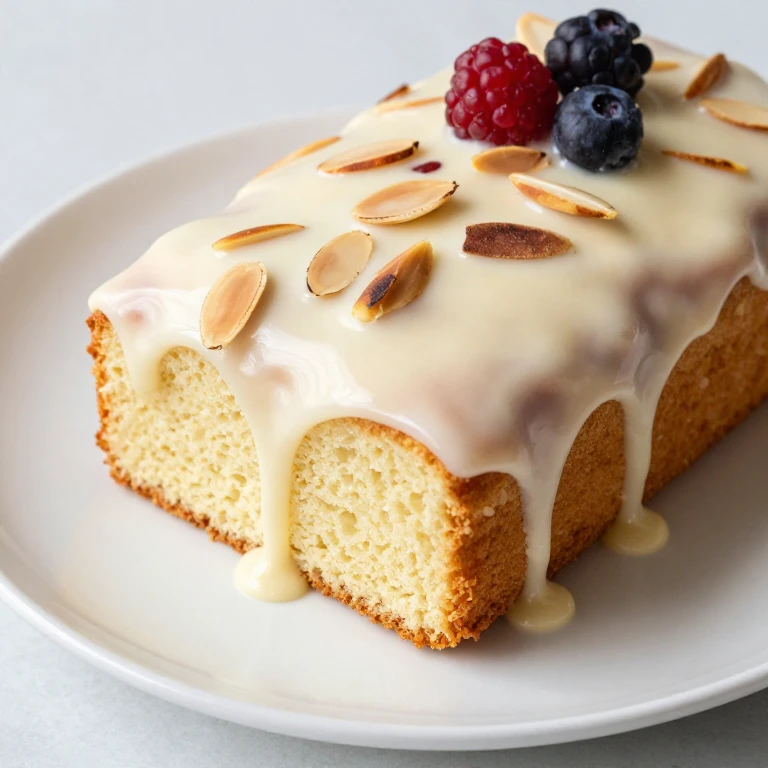
Almond Sheet Cake With Almond Glaze Or Buttercream
Ingredients
Method
- Position your oven rack in the center and preheat to 350°F. Line a 9x13-inch baking pan with parchment paper, leaving a slight overhang on two sides so you can lift the cake out cleanly. Whisk together flour, baking powder, and salt in a small bowl and set aside.
- In a large bowl, beat softened butter and granulated sugar together for 3 to 4 minutes on medium speed. The mixture should look pale, fluffy, and noticeably lighter than when you started.
- Add egg yolks one at a time, beating for about 30 seconds after each addition so they incorporate fully. Once all yolks are in, add the almond extract and beat for another 30 seconds.
- Add about a third of the flour mixture, beat on low speed for about 20 seconds until just combined. Add half of the milk, beat for 20 seconds. Repeat: another third of flour, remaining milk, final third of flour. After the last flour addition, beat for just 10 seconds.
- Gently fold the toasted sliced almonds into the batter with a spatula. Use about 12 to 15 folds, just until the almonds are distributed.
- In a clean, dry bowl, combine egg whites and cream of tartar. Beat on high speed for 4 to 5 minutes until stiff peaks form.
- Add about a third of the whipped whites to the batter and fold gently with a spatula, using about 10 to 12 folds. Add the remaining whites in two additions, folding gently each time until just combined.
- Transfer the batter to your prepared pan and smooth the top with an offset spatula or the back of a spoon. Tap the pan gently on the counter a few times to release any large air pockets.
- Bake for 28 to 32 minutes. The cake is done when a toothpick inserted in the center comes out clean or with just a few moist crumbs. The top should be pale golden and spring back slightly when you press it gently.
- Let the cake cool in the pan for 15 minutes, then turn it out onto a wire rack and cool completely before glazing or frosting. This takes about 1 to 2 hours.
- For the Almond Glaze: Whisk together powdered sugar, melted butter, milk, almond extract, and salt in a bowl. The glaze should be pourable but thick enough to coat a spoon. Drizzle the glaze over the cooled cake and spread it gently with an offset spatula. Scatter sliced almonds or fresh berries on top if desired. Let the glaze set for 15 to 20 minutes before slicing.